A Leak Is an Operations Problem Before It Is a Roofing Problem
When water comes through the deck of a working building, the roofing invoice is usually the smallest number on the incident report. A drip over a production cell stops the cell. Water on a warehouse floor near the dock doors shuts down receiving until someone has mopped, tested, and signed off. A stained ceiling tile in a leased office suite becomes a tenant call, then a rent conversation. The real cost of a neglected roof shows up as downtime, damaged inventory, and unhappy tenants — long before it shows up as a roofing bill.
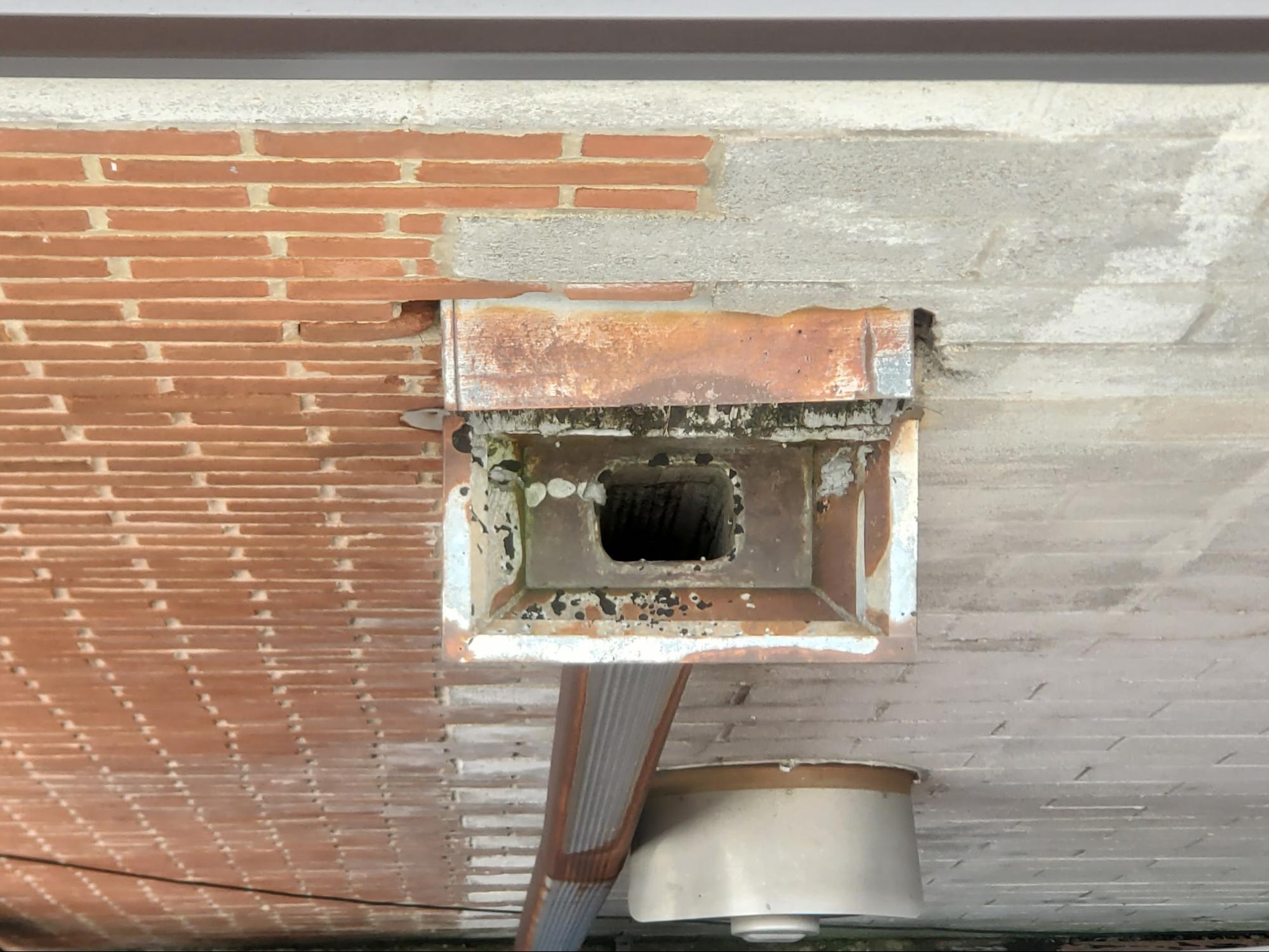
A roof service agreement is how you keep those interruptions from ever starting. We put a crew on your roof on two scheduled rooftop visits each year — not when something fails, but on a calendar — and we handle the small things while they are still small. Seams and terminations get walked and checked. Lifted flashings get reseated. Drains and scuppers get cleared. Membrane splits, blisters, and open laps get repaired on the spot instead of being written up for a second truck roll. Each visit closes with a photo-documented condition report, so ownership and facilities both know exactly what is over their heads.
Scheduled Around Your Operations, Not Ours
Every visit is booked in advance with your facility contact. The crew checks in on arrival, works from the roof hatch or exterior access you designate, and stays off production floors and out of tenant spaces entirely. If your building runs shifts, we time the visit to the quiet one. If a tenant needs notice before anyone is on the roof over their suite, that notice goes out before we do. The point of the agreement is continuity for the business below — a service program that made your operation pause to accommodate it would be defeating its own purpose.
The Pre-Snow Visit
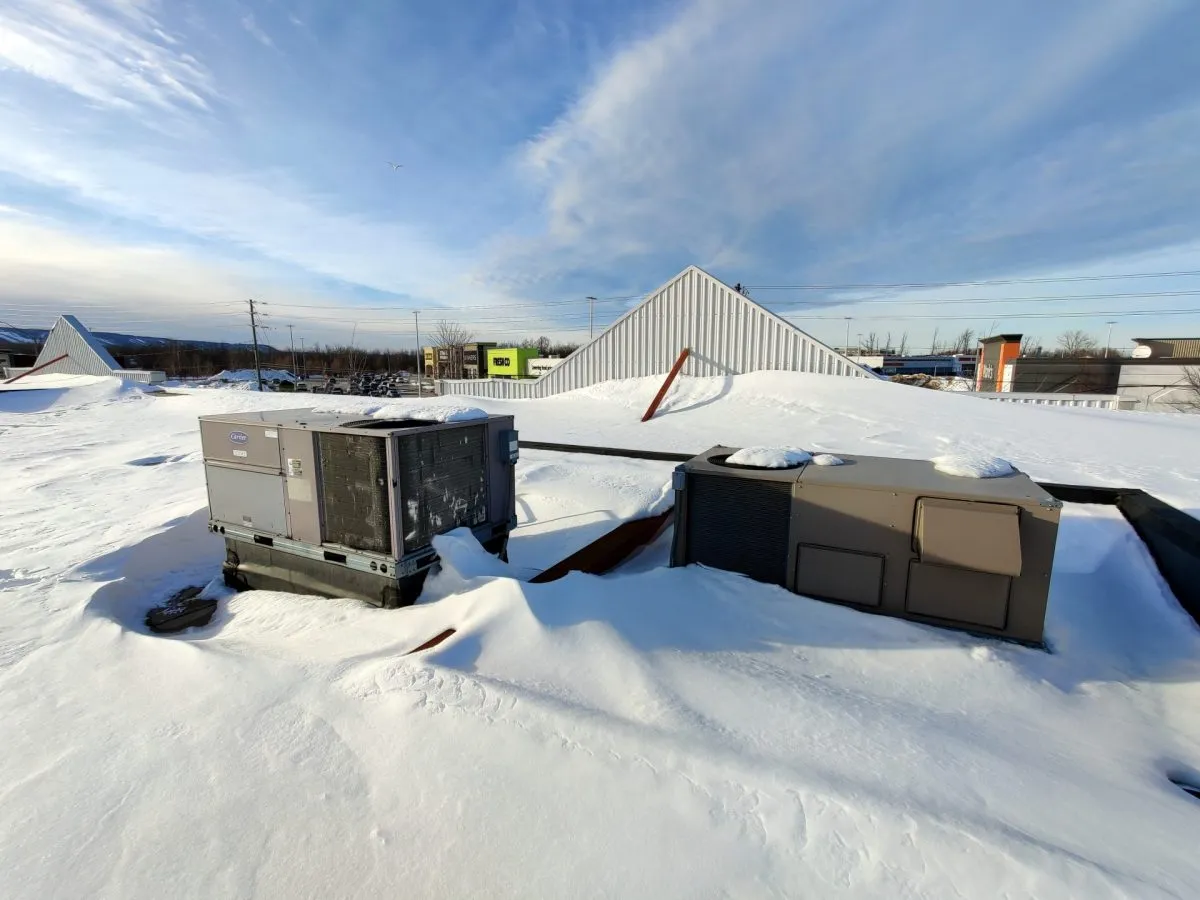
Buildings here get a third touch that warm-climate roofs never need. Before winter sets in, we make a dedicated pre-snow visit: drains, scuppers, and gutters are cleared so meltwater has somewhere to go, and the membrane and flashings are checked before snow load and months of freeze-thaw start working on them. A roof problem discovered in February, under snow, on an occupied building, is the most disruptive and expensive repair scenario in this trade. The pre-snow visit exists so Detroit owners are not the ones discovering it.
Priority Response When Something Still Happens
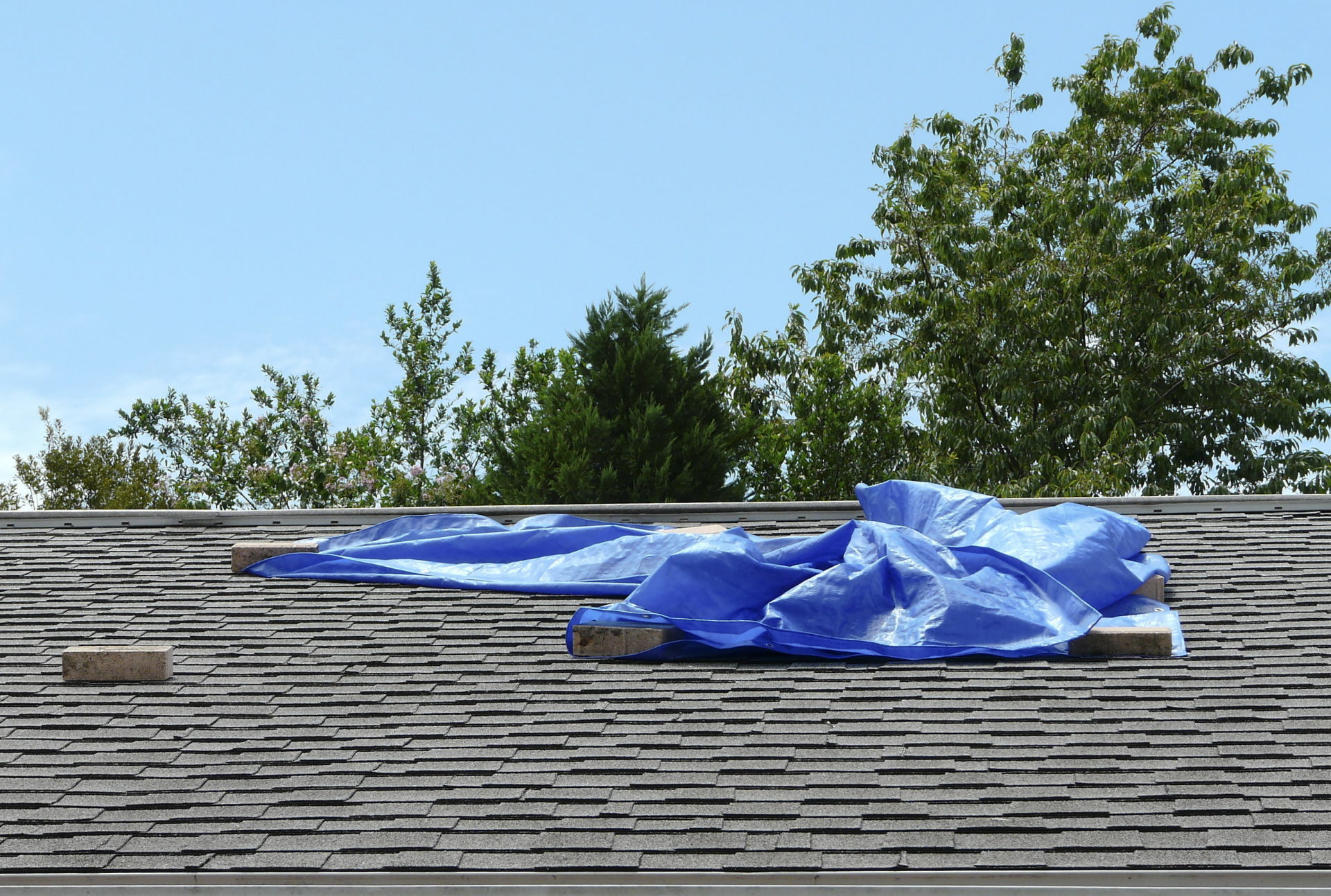
No roof is interruption-proof. When a windstorm opens an edge or a rooftop unit springs a condensate leak, agreement holders go to the front of the dispatch queue — ahead of first-time callers, in every season. Just as valuable: our crew already knows your roof. Access, membrane type, penetration layout, and repair history are on file, so the truck arrives with the right materials instead of arriving to take notes. For manufacturers' warranty purposes, the visit reports double as the documented maintenance record most warranty programs expect to see, and the running condition history turns roof replacement into a planned budget line instead of an emergency purchase.
That is the whole trade: a predictable annual cost, two scheduled rooftop visits plus the pre-snow check, and a documented, quietly maintained roof — in exchange for not finding out what a week of unplanned downtime costs a Detroit warehouse, plant, or multi-tenant building.
Two scheduled service visits a year plus a pre-snow check — seams, flashings, drains, and small repairs handled on the spot.
Photo-documented condition reports after every visit, building a running history for warranty files and capital planning.
Priority emergency dispatch for agreement holders, with roof access and repair history already on file.