Data Center Roofing in Detroit, MI
Automotive and Mobility Supply Chain scopes are written for OEM, supplier, engineering, and mobility facilities.
Detroit's data center market is driven by a legacy that runs deeper than most people recognize. The Michigan Avenue telecom corridor established Detroit as a critical node in North American network infrastructure decades before the term "cloud computing" existed. That corridor's conduit runs and fiber pathways still underpin the connectivity that makes downtown Detroit and the inner suburbs attractive to colocation operators, and the buildings that house that infrastructure — many of them converted industrial structures alongside purpose-built facilities — present a wide range of roofing challenges that require genuinely specialized expertise. Commercial roofing contractors serving Detroit's data center sector must understand both the demands of modern hyperscale construction and the rehabilitation requirements of the older facilities that form a significant part of this city's digital backbone.
Zayo and Equinix maintain Detroit-area facilities that serve as critical peering and colocation points for the Great Lakes region. The Detroit One Campus and similar downtown facilities concentrate significant computing and networking infrastructure in buildings where roofing performance directly affects uptime. Unlike a suburban warehouse data center, these urban facilities often occupy multi-story structures with complex rooftop mechanical arrangements, limited staging areas for roofing work, and occupied floors of equipment beneath the roof deck. Coordinating a re-roofing project on an occupied data center in downtown Detroit requires detailed pre-construction planning, phased work scheduling to avoid disrupting cooling systems, and a roofing team experienced in working around live electrical and communications infrastructure.
Detroit's climate creates a particularly demanding test for data center roofing systems. The city receives some of the heaviest lake-effect snowfall of any major Midwestern city, with Lake Erie and Lake Huron moisture producing significant accumulation events that can add hundreds of pounds per square foot of snow load to flat rooftops. Data center roofs loaded with rooftop cooling equipment must be engineered to handle both the equipment dead loads and variable snow accumulation simultaneously. This means structural assessments should be part of any roofing specification process for Detroit data centers, and roofing system weight — particularly insulation board thickness and membrane ballast — should be calculated against available structural capacity rather than simply specified to meet thermal performance alone.
Freeze-thaw cycling is the primary membrane stress driver at Detroit data centers. The city averages more than 130 freeze-thaw cycles per year, and each cycle stresses roofing membrane seams, flashings, and penetration details. Data center operators in this market have learned to prioritize seam quality and flashing execution over membrane cost when specifying roofing systems. EPDM bonded seam systems and heat-welded TPO both offer strong performance in freeze-thaw environments when installed correctly, but installation quality — specifically seam width, adhesion uniformity, and flashing termination at penetrations — is the variable that most determines long-term performance in Detroit's climate. Roofing contractors who invest in quality control programs and regular seam testing give data center operators measurably better outcomes over the long term.
The Michigan Avenue telecom corridor presents a specific technical challenge for roofing contractors: conduit and cable infrastructure that exits buildings at the roofline and connects to aerial and underground telecom networks. These penetrations are mission-critical — disrupting them even briefly during roofing work can trigger network outages with significant downstream consequences. Roofing contractors working along this corridor must develop detailed penetration protection protocols and work closely with facility telecommunications managers to sequence work around maintenance windows. Custom-fabricated metal pipe boots, flexible flashing collars for bundle conduit penetrations, and detailed as-built documentation of all penetration locations are standard requirements for roofing work on Michigan Avenue corridor facilities.
The Detroit automotive industry has left a legacy of strong industrial construction expertise in the regional roofing workforce, but data center roofing demands capabilities that go beyond standard industrial work. Vapor barrier design in Detroit's climate requires accounting for the significant humidity differential between the controlled data center interior and the outdoor environment, particularly during the region's humid summers. Spray polyurethane foam systems have found a niche in the Detroit data center market for smaller facilities and re-roofing projects where the seamless nature of SPF provides reliable vapor control along with excellent insulation values and the ability to conform to complex rooftop geometries without additional flashing details at each feature transition.
Detroit's position as a logistics and distribution hub means that many data center facilities in the metro area serve dual roles — computing infrastructure on upper floors with warehouse or distribution functions at grade. These mixed-use industrial buildings present roofing challenges because the thermal and moisture dynamics of the warehouse portion of the structure differ significantly from the data center portion. Partitioning the roofing assembly to address these different conditions — potentially with different insulation levels, vapor control approaches, and membrane systems on different sections of the same roof — requires careful design and a roofing contractor capable of executing varied assemblies within a single project without compromising the transitions between zones.
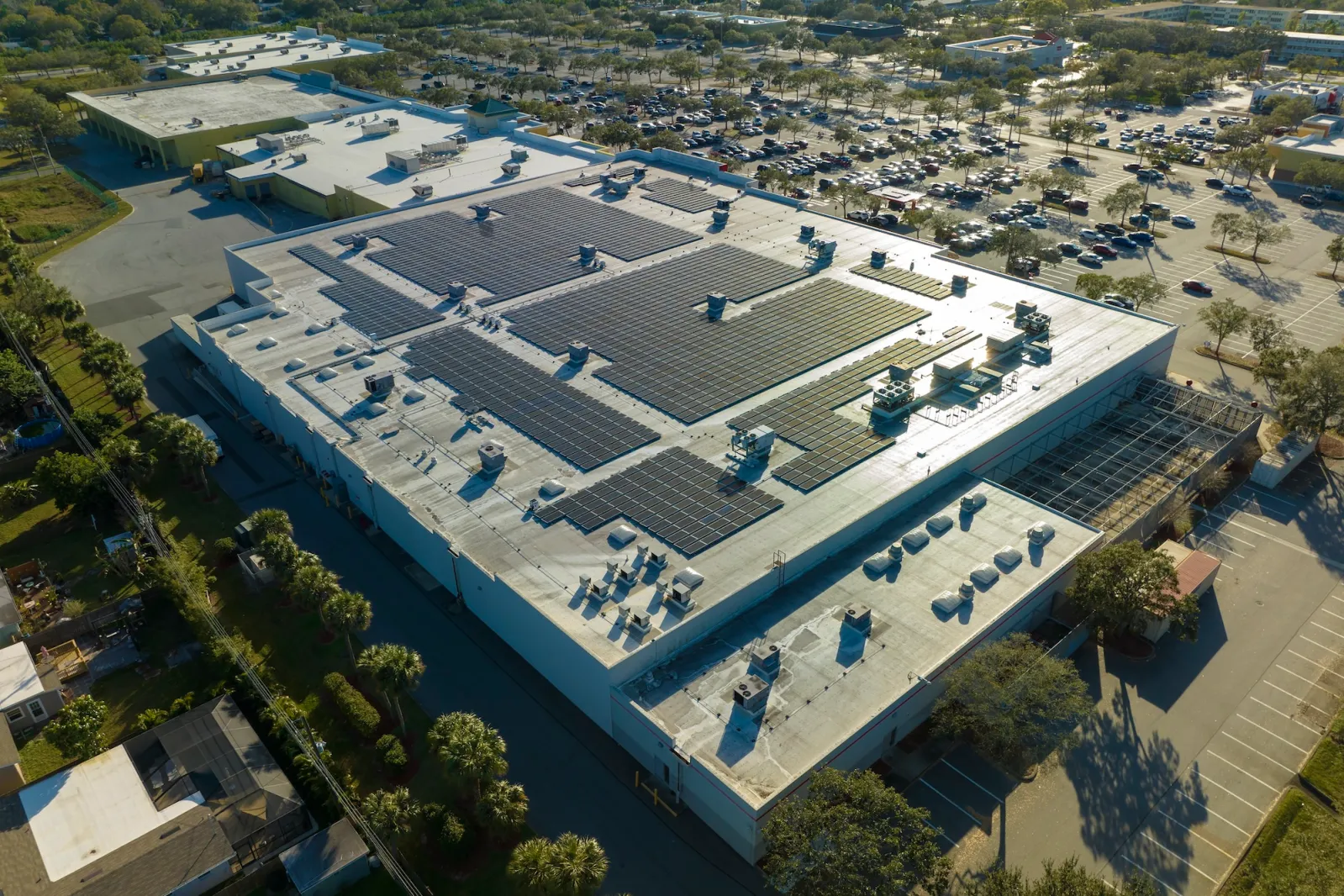
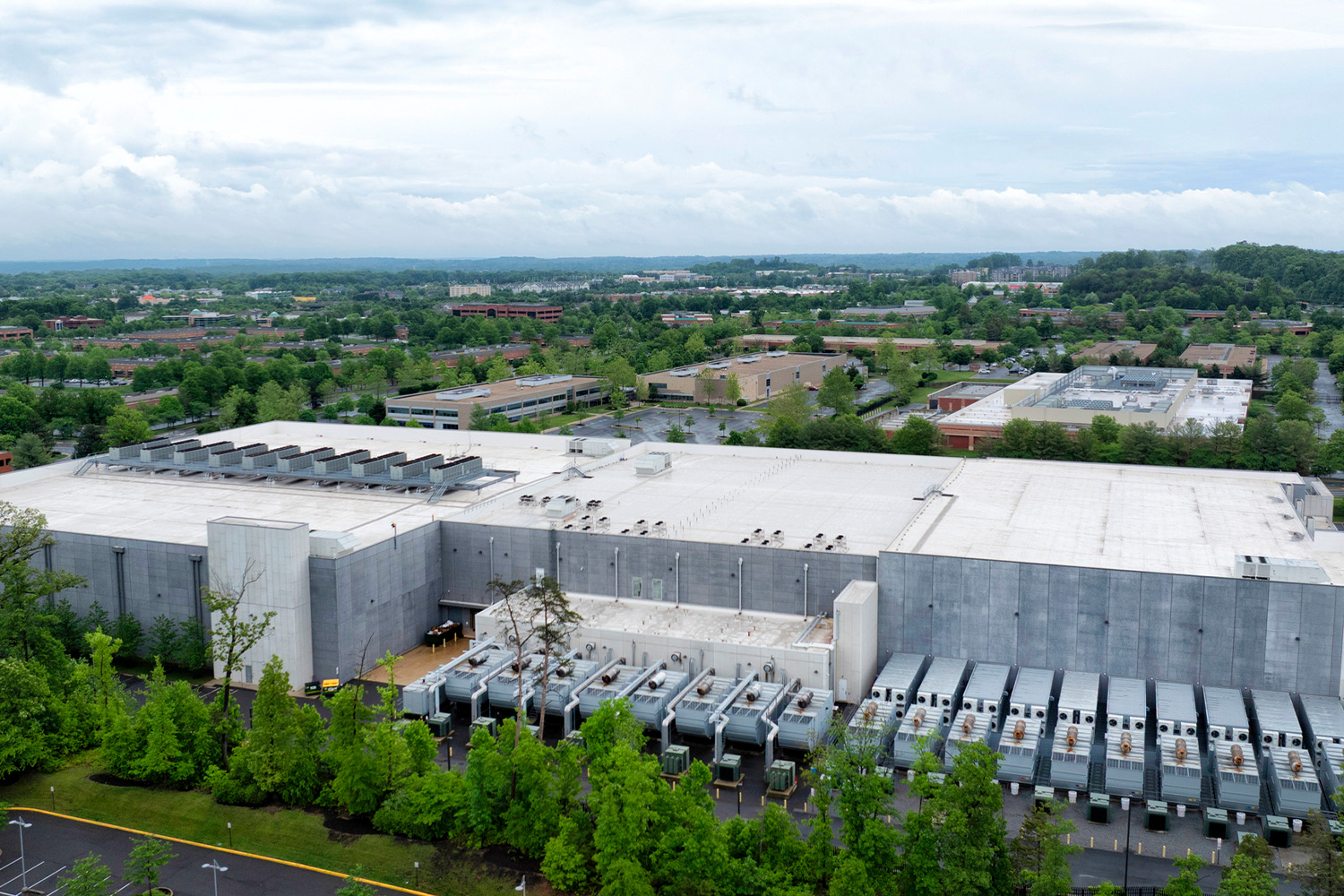
Rooftop cooling density continues to increase at Detroit-area data centers as operators upgrade to higher-density server configurations that generate more heat per square foot. This trend is putting pressure on roofing systems that were originally specified for lower mechanical loads. Cooling towers, dry coolers, and precision air handling units are being added to existing rooftops at facilities that were not originally designed to accommodate them. Structural assessments, penetration additions, and walkway system upgrades are common requirements when data center operators expand their cooling infrastructure, and roofing contractors who can provide integrated assessment and remediation services — rather than simply patching around new equipment installations — provide significantly more value to these clients.
Preventive maintenance is the single most important investment a Detroit data center operator can make in their roofing system. The combination of lake-effect snow loading, aggressive freeze-thaw cycling, and the economic consequences of a roof failure on a live data center makes deferred maintenance exceptionally costly in this market. Leading commercial roofing contractors in Detroit offer data center-specific maintenance programs that include post-winter infrared scans to detect moisture intrusion from freeze-thaw damage, pre-winter inspections to identify and repair any membrane or flashing deficiencies before snow loads arrive, and regular documentation that facility managers can use to plan capital expenditures for major roofing work. Operators who treat their roof as a maintained asset consistently extend membrane service life and avoid the emergency repair costs that come with reactive maintenance.
Roof-area photos, access notes, leak points, rooftop equipment conditions, and visible membrane details.
Drainage, seams, curbs, penetrations, edge metal, winter exposure, repair limits, and replacement triggers.
A practical split between emergency work, repair, maintenance, coating, recover, and replacement planning.