Commercial Roofing in Corktown, MI
Corktown is handled as a district inside the Detroit commercial roofing service radius.
we treat corktown as a roof-file problem before we treat it as a pricing problem. Corktown is handled as a district inside the Detroit commercial roofing service radius. For corktown, we look at roof access, active water entry, winter exposure, rooftop equipment, deck uncertainty, and the people trying to keep the building open while the roof is being figured out. Around Detroit, this corktown file often has to account for the West Vernor and Mexicantown commercial strip, the Downtown and Greektown high-rise service blocks, and the kind of older commercial roof geometry that does not forgive vague scope language.
One anchor in the corktown conversation is this: for corktown, Corktown is listed here as a district target in the Detroit service plan. That local fact keeps corktown from turning into a generic low-slope bid. A plant roof near an assembly corridor, a food-market roof in a mixed-use district, and an office roof downtown all put different pressure on corktown access, staging, drainage, noise, and closeout documents.
A second anchor matters for corktown just as much: for corktown, City neighborhood plans identify Central Design Region work in Brush Park, Delray, Eastern Market, East Riverfront, Greater Corktown, Greektown, we-375, Islandview, Midwest-Tireman, North End, Rosa Parks and Clairmount, and West Vernor. On corktown, we use that context to think through the building below the membrane before naming a roof system. A corktown scope near logistics roofs has to respect dock uptime, a corktown scope near supplier facilities has to protect equipment, and a corktown scope over office or medical space has to keep tenant communication clean.
Weather is not a throwaway note in a corktown roof file. For corktown, NWS Detroit/Pontiac maintains local snowfall reports, ice accumulation reports, local storm reports, winter weather, severe weather, and climate-record resources for Southeast Michigan. Snow, ice, rain on frozen drains, freeze-thaw movement, spring thunderstorms, and wind at open edges can all turn a small corktown defect into a bigger interruption. For corktown, we want drains, scuppers, conductor heads, gutters, curb flashings, coping joints, seams, and old patches reviewed with that sequence in mind.
The roof walk for corktown starts with evidence. For corktown, we mark where water shows up inside, then compare that interior point with roof seams, slope, drain placement, equipment curbs, penetrations, parapet walls, expansion joints, and previous repairs. A corktown photo without context is not enough because the owner needs to know whether the defect is isolated, repeated, seasonal, tied to traffic, tied to old workmanship, or part of a roof that is aging out.
Detroit building stock adds another layer to corktown. For corktown, Port Detroit identifies steel as its most valuable commodity and says its own terminal handles steel, aluminum, cement, and project cargo for Southeast Michigan manufacturing. On corktown, dense downtown roofs, market-district warehouses, riverfront facilities, and older manufacturing buildings can carry abandoned penetrations, patched decks, mixed roof systems, and parapet conditions that are easy to underestimate. For corktown, those details decide whether repair, restoration, recover, or tear-off is responsible.
The buyer for this corktown roof file is usually dealing with commercial roof buyer. That corktown buyer does not need a speech about roofing, and they do not need a one-line recommendation with no backup. They need a corktown sequence: stop active water, document the condition, price the smallest responsible repair, identify what cannot be repaired forever, and put the capital item in plain language.
Cost differences on corktown usually come down to wet insulation, deck condition, layer count, edge metal, access, code triggers, roof size, and how much of the roof problem is repeated. A small corktown repair may be the right answer when the membrane is mostly sound, while a larger corktown restoration or replacement plan may be cheaper over the hold period when leaks keep returning in the same field or along the same wall.
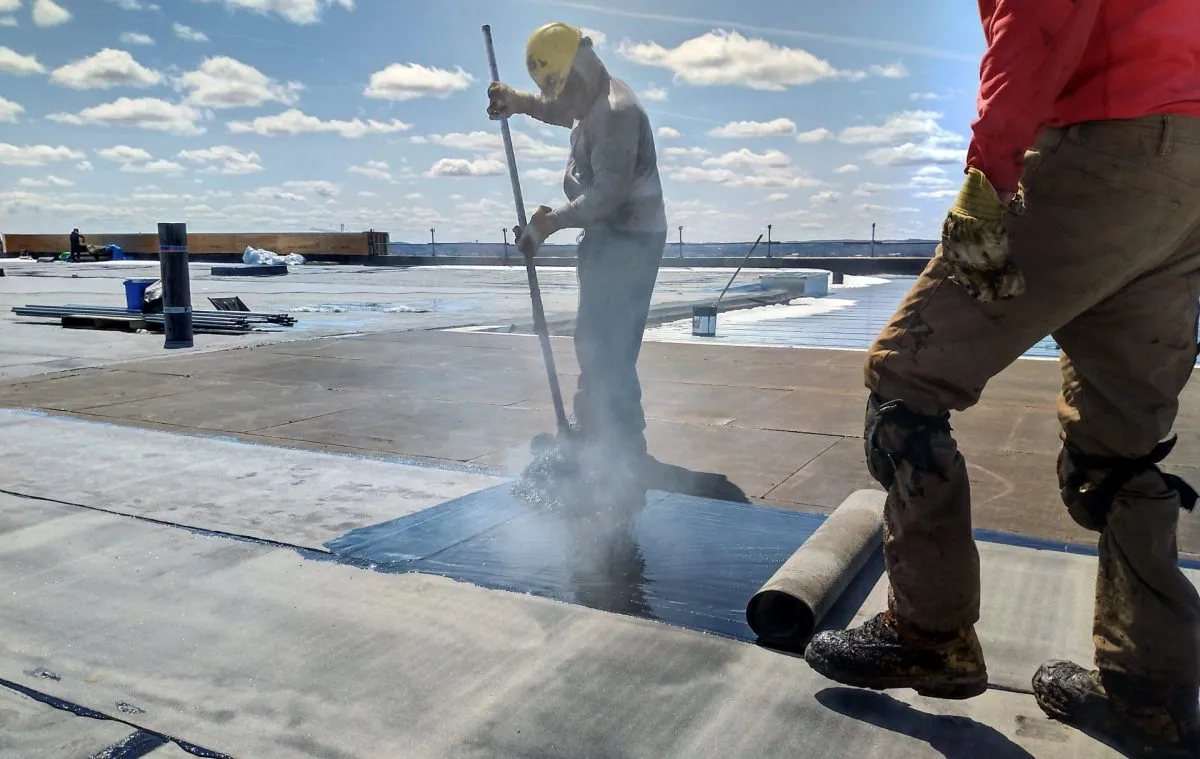
When coatings or recover options enter the corktown discussion, we do not let the cheaper line item carry the whole conversation. The existing membrane has to be cleaned, tested, probed, and checked for wet insulation. On corktown, edges need securement, drains need capacity, fasteners need review, seams need honest attention, and old repair material needs to be addressed before a new surface is treated as a solution.
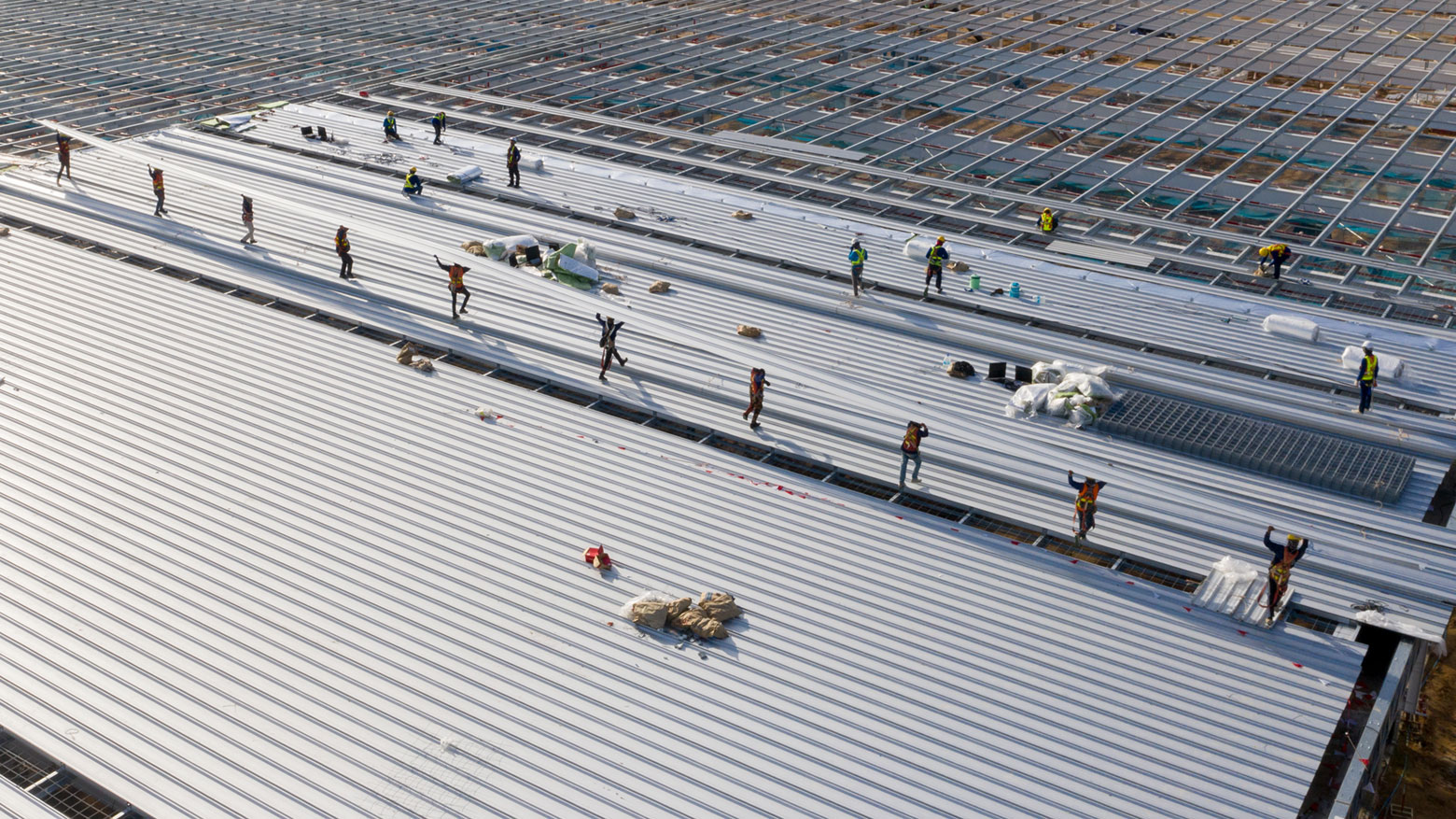
Replacement planning for corktown has its own discipline. For corktown, we look at tear-off logistics, deck type, insulation, vapor considerations, temporary dry-in, winter work limits, staging, safety, disposal, rooftop unit coordination, perimeter metal, and final documentation. If corktown is happening over dock traffic, the schedule and daily watertight plan are as important as the selected roof system.
Insurance-related corktown conversations stay in the contractor lane. For corktown, we can document observed roof conditions, photographs, measurements, temporary repairs, material type, and recommended scope after wind, hail, ice, or water entry. We do not promise claim outcomes on corktown or act like a public adjuster, so the useful work is a clean roof record that shows what was seen and what repair work is needed.
Maintenance should make the next corktown emergency less likely. For corktown, that means clearing drains, checking scuppers, tightening or replacing suspect metal, reviewing flashings, noting membrane movement, logging rooftop traffic, and documenting small repairs before winter or spring weather makes access harder. A corktown roof file with dates and photos is easier to defend than a memory of someone being on the roof last year.
Scheduling corktown around Detroit operations requires more than picking a weather window. For corktown, we want to know when trucks move, when tenants open, where ladders or lifts can be placed, whether a roof hatch is controlled, what floors have active leaks, and who has authority to approve a change order. Those details keep corktown work from being delayed by access problems that could have been solved before the crew arrived.
The closeout package for corktown should read like someone can come back later and understand the roof without guessing. On corktown, we look for warranty-ready detail lists, material notes, repair locations, remaining deficiencies, and a short list of watch items that belong in the next maintenance visit. That kind of corktown documentation helps a facility manager, property manager, owner, or capital planner compare today's work with next year's budget.
The practical recommendation on corktown may be tear-off planning, but the order matters. For corktown, we separate emergency stabilization from permanent scope, separate eligible roof areas from roof areas that should be left alone, and separate owner preference from roof conditions that cannot be negotiated. That is how corktown becomes a usable decision instead of a stack of contractor opinions.
If corktown has become a recurring work order, the file needs to show why. We will trace the corktown condition back to roof geometry, membrane age, drainage, edge detail, equipment traffic, or winter movement before writing the next scope.
Yes. In Corktown, we review access, parking, loading areas, tenant hours, roof hatches, and safety requirements before the visit.
That depends on weather, roof access, and active water entry. Temporary dry-in can often be separated from permanent repair.
For Corktown, send the building location, leak photos, roof type if known, roof access notes, and any secure-site or tenant restrictions.
Yes. Corktown industrial and logistics roofs need staging, badging, traffic, overhead door, and equipment-protection rules clarified up front.
Roof-area photos, access notes, leak points, rooftop equipment conditions, and visible membrane details.
Drainage, seams, curbs, penetrations, edge metal, winter exposure, repair limits, and replacement triggers.
A practical split between emergency work, repair, maintenance, coating, recover, and replacement planning.