Bank & Financial Building Roofing in Detroit, MI
Bank and Financial Building Roofing in Detroit, MI
A bank branch is a small roof with outsized stakes. The footprint is modest, but underneath it sit a vault, a server closet, and a teller line where a single ceiling drip during business hours means a closed lobby and an incident report. Add the security layer that governs who gets on the roof at all, and a job that looks routine on paper turns into one that lives or dies on coordination. We handle bank and financial-building roofing in Detroit the way the buildings demand: minimal disruption during banking hours, drive-through canopies treated as their own problem, and access planned around the institution's security rules before anyone shows up with a ladder.
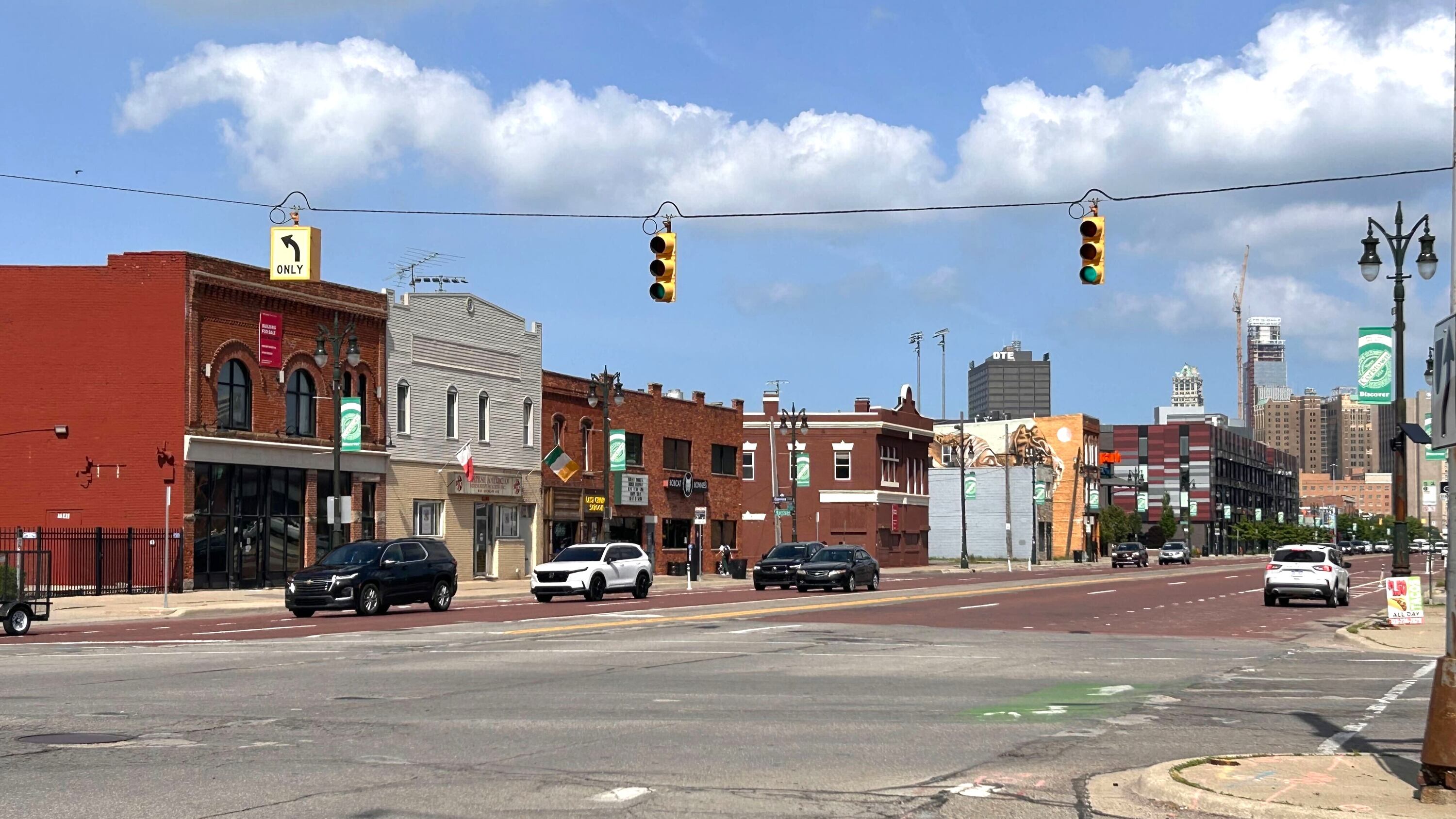
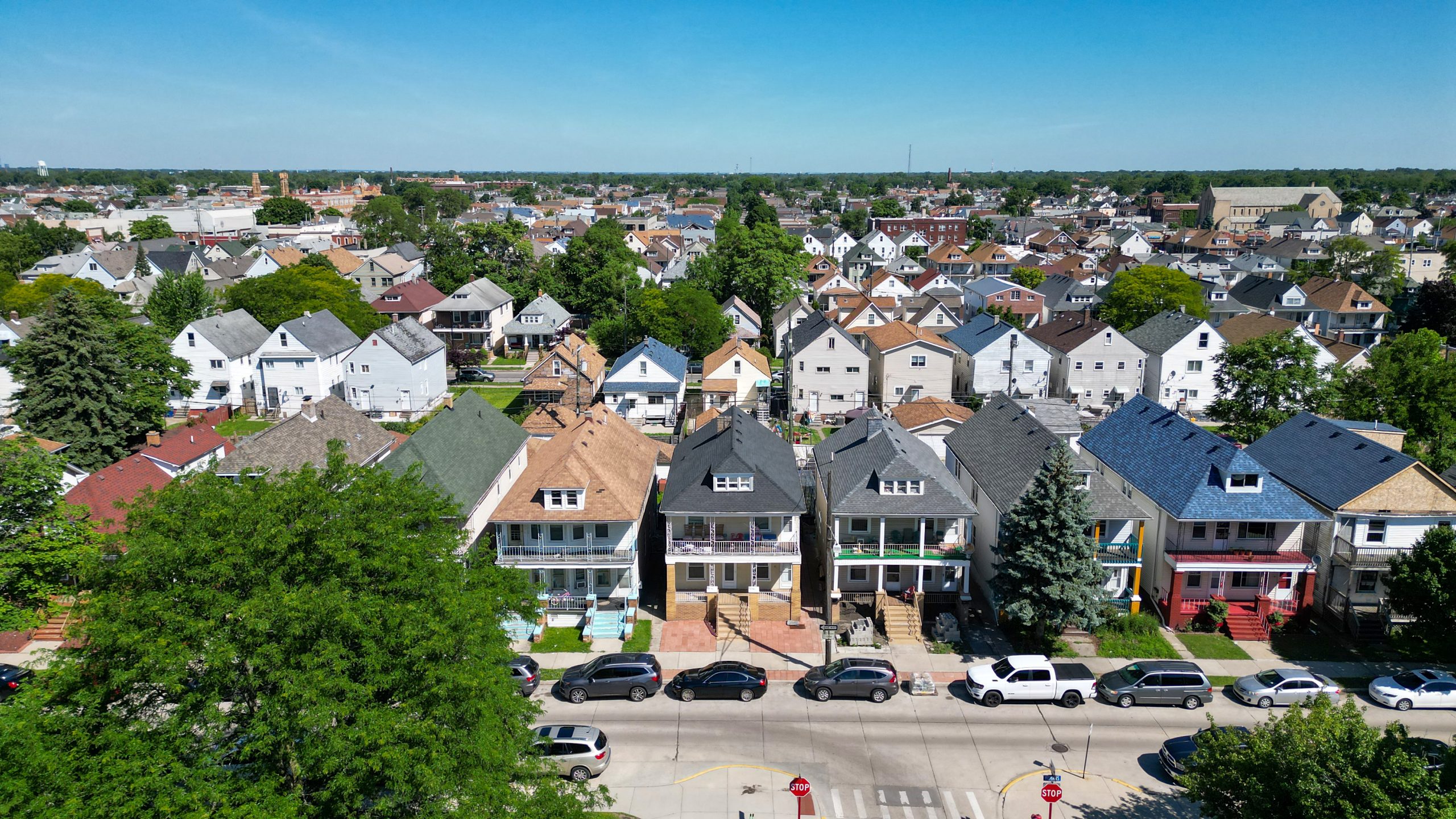
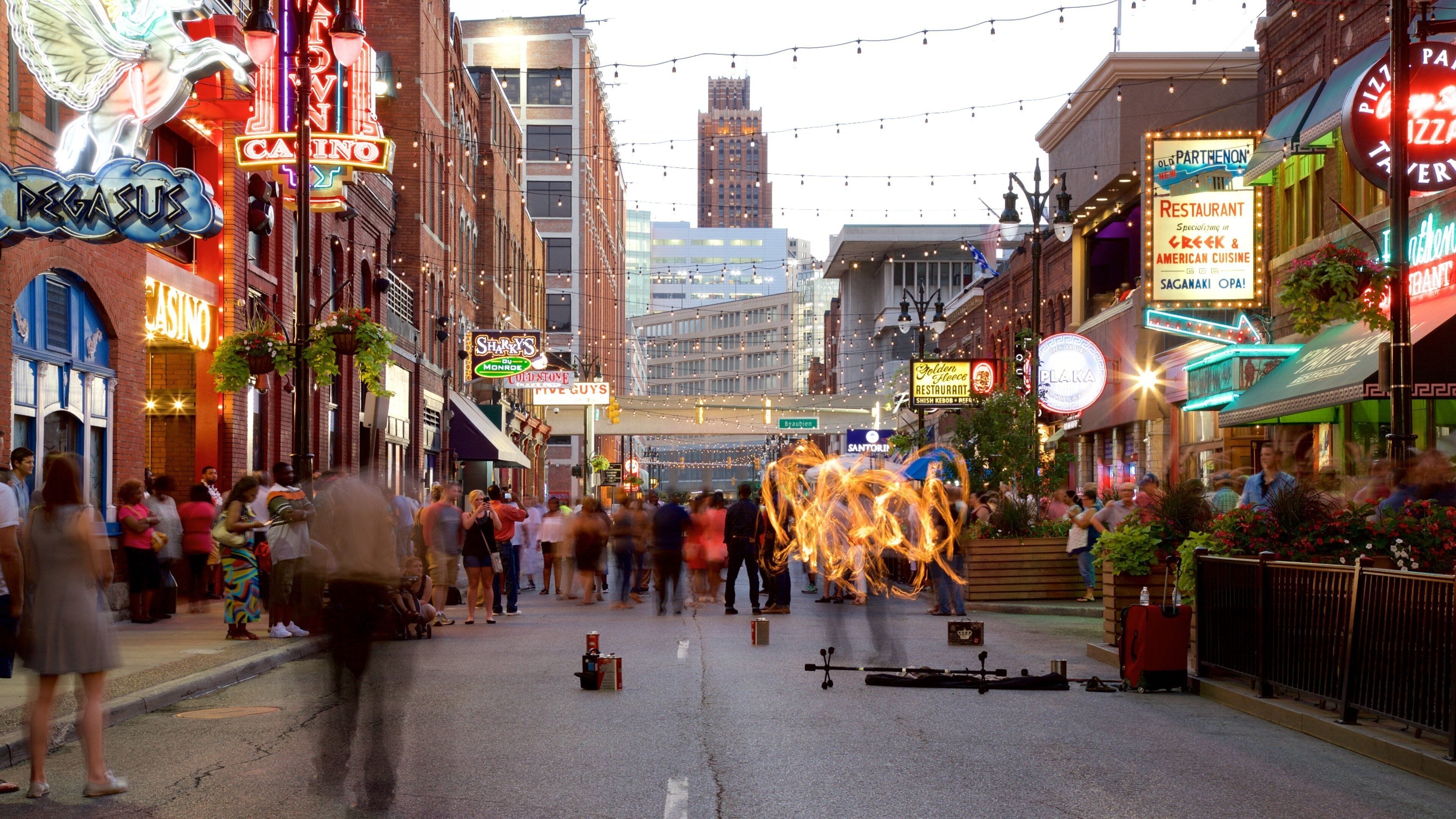
Detroit's financial footprint runs from the downtown towers to the neighborhood branch. The downtown core along Woodward and the financial district hold corporate banking offices and headquarters space, including major presences tied to the city's institutional anchors. Out in the neighborhoods and the first-ring suburbs, retail branches and credit unions line corridors like Grand River, Gratiot, and Michigan Avenue, and the suburban employment ring along we- is thick with branch banks serving the office parks. The big national names — Chase, Bank of America, PNC, Huntington, and the regional and community institutions — all hold portfolios of these small high-visibility buildings across Metro Detroit.
The Drive-Through Canopy Is Where Branches Leak
On a retail bank, the most reliable source of chronic leaks is the drive-through canopy and the spot where it ties into the main building. That joint takes thermal cycling as the sun swings across it, overspray from vehicles, and decades of differential settlement as the canopy and the building move at different rates. A standard wall flashing was never designed to ride all of that, and replacing the field membrane never fixes it. We pull the canopy transition out as its own line item, evaluate it independently, and when it shows wear we re-detail it for the movement it actually experiences. The ATM kiosk enclosures and the night-deposit penetrations get the same individual attention.
More Penetrations Than the Footprint Suggests
For a building this size, a bank roof is busy. Beyond the drive-through canopy there is usually a generator with a transfer-switch room venting through the roof, precision air conditioning serving the server room, and the security and communications equipment that a financial building runs. Each is a discrete flashing requirement, and on a small roof there is little room for error between them. We document every curb, vent, and clearance before pricing the work so nothing surprises the crew once the membrane is open.
A branch sits right on the street with the public looking at it all day, so the visible edge metal and the parapet caps matter to the brand. We keep the perimeter clean and straight and stage the small site so the lot stays usable and the building keeps its curb appeal through the project.
No other commercial building type puts security ahead of the roof the way a bank does. Contractor badging, escort requirements for any work over vault-adjacent areas, and camera documentation of crew activity are standard at financial properties in Detroit. We build the security-coordination timeline and crew credentialing into the bid from the start — these are not costs that appear after the contract is signed. Where the drawings show a vault below a roof zone, we identify it first, sequence that area for approved windows, and confirm with the security team that no vibration or temporary access change affects active operations.
Scheduling Around Banking Hours
Branches generally run Monday through Saturday with customers and sensitive operations inside. We concentrate the loud work — tear-off, fastening, deck repair — into off-hours and weekend windows, and confirm a watertight dry-in before the lobby opens each morning. The branch manager and the corporate facilities contact get the work windows, the noise limits during customer-service hours, and any escort arrangements in advance. The goal is a roof project the customers in line never notice.
Portfolios and Single Branches
A regional bank with twenty branches and a national institution with locations across Michigan both need standardized scoping, documentation, and pricing across the portfolio, with one project-management contact for the corporate facilities team. We provide that, and we also work directly with community banks and credit unions managing a single building. The vendor-management registration and the closeout standard come out the same at any scale.
Our drive-through area always leaks. Will replacing the roof fix it?
Not by itself. The leak is almost always at the canopy-to-building joint, which moves independently of the main roof. We re-detail that transition for the differential movement it sees as a separate scope item — replacing the field membrane alone never solves it.
Can you work without closing the branch?
Yes. We concentrate loud work in off-hours and weekends and confirm a watertight dry-in before the lobby opens each morning. The branch manager and corporate facilities get the windows and noise limits in advance.
How do you handle the security requirements?
We build badging, escort arrangements, and crew credentialing into the bid timeline up front. Vault-adjacent roof zones are identified from the drawings and worked only during approved windows, confirmed with the security team.
Can you work over an active vault?
Yes, with pre-coordination. We locate the vault from the building drawings, sequence that roof zone for approved times, and confirm no vibration or access change affects operations below.
Do you handle multi-branch programs?
Yes. We run portfolio programs with standardized scope, documentation, and pricing across many branches and a single point of project-management contact for corporate facilities.
Roof-area photos, access notes, leak points, rooftop equipment conditions, and visible membrane details.
Drainage, seams, curbs, penetrations, edge metal, winter exposure, repair limits, and replacement triggers.
A practical split between emergency work, repair, maintenance, coating, recover, and replacement planning.