
Fitness Center & Gym Roofing in Detroit, MI
Fitness Center and Gym Roofing in Detroit, MI
The leak in a gym almost never starts where the owner expects. It starts on the inside. Shower banks, steam rooms, a lap pool, a hot tub, and a couple hundred people breathing hard on the training floor push warm, wet air up against the underside of the roof all day. That vapor wants to migrate into the assembly, and when it hits the cold deck in a Detroit January it condenses, soaks the insulation, and rots the system from below while the membrane on top still looks fine. A gym roof done right in this city is designed against interior moisture first and weather second. We treat the vapor drive as a core part of the specification, not a detail we hope the membrane covers.
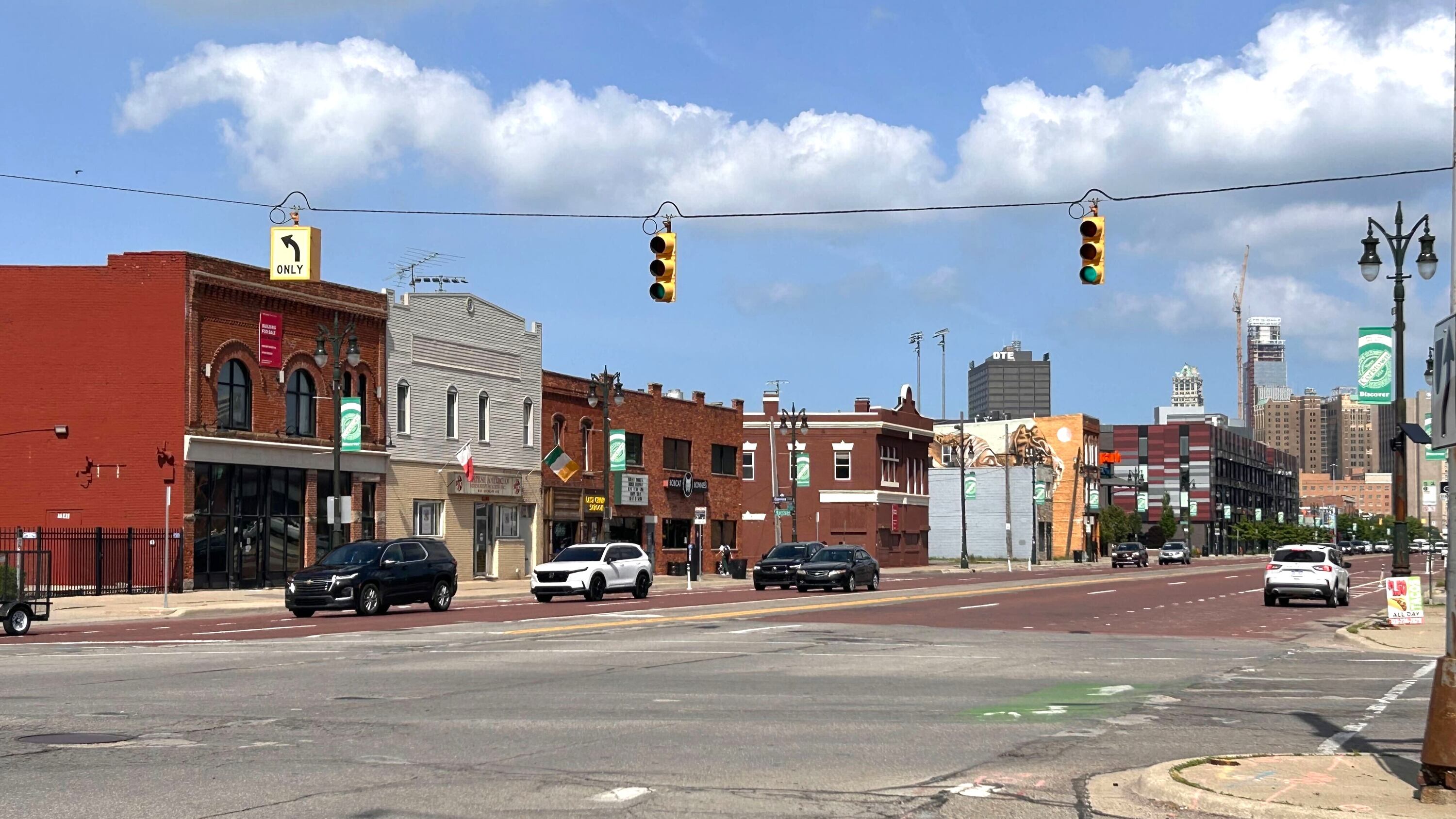
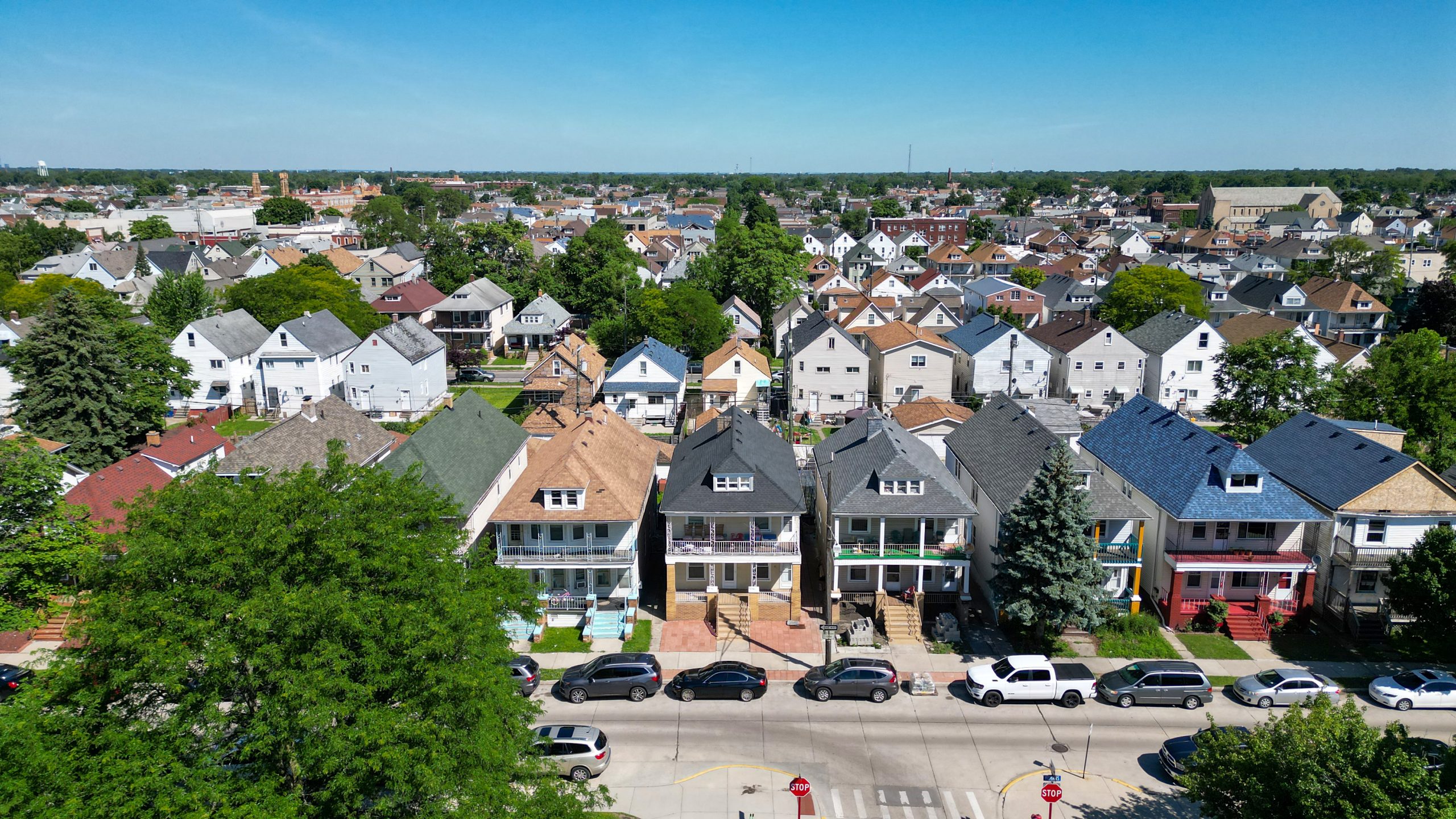
Detroit's fitness market is dense and varied. Big-box clubs line the suburban retail corridors out along Telegraph Road and Gratiot Avenue. Downtown and Midtown have filled with boutique studios and full-service clubs serving the residential growth around the Woodward corridor. The DMC and Wayne State medical campus area supports wellness and rehab facilities. And national operators — the Planet Fitness, LA Fitness, and Life Time tier — run multiple Metro Detroit locations under corporate facilities programs. The buildings range from converted big-box retail to purpose-built clubs with natatoriums, and the roof challenge scales with the wet square footage inside.
Why Gym Roofs Carry So Many Penetrations
Count the rooftop units on a gym and you will find two to three times what a retail building of the same footprint carries. A high-occupancy training floor needs heavy air handling just to manage the carbon dioxide and humidity that a crowd generates. Group-exercise rooms, locker rooms, and any pool enclosure each get their own dedicated ventilation, which means a forest of exhaust fans, makeup-air units, and supply curbs across the roof. Every one of those is a potential entry point, and under the constant interior humidity a gym produces, a generic boot or an undersized curb will not hold. We inventory each penetration, raise or rebuild curbs that fall below the membrane manufacturer's minimum height, and detail every one for the wet conditions the building actually runs in.
Pools, Steam, and the Vapor Retarder
If the facility has a pool, a sauna, or a steam room, the assembly needs a vapor retarder positioned correctly for Detroit's climate zone — on the warm side of the insulation, sized to the interior conditions. Put it in the wrong place, or leave it out, and you trap moisture inside the system where it destroys R-value within a few seasons and eventually shows up as a ceiling stain over the pool deck. Before we recover or replace, we survey the existing assembly, find out whether the current vapor strategy is even correct, and spec the rebuild around the building's real operating humidity rather than a generic template.
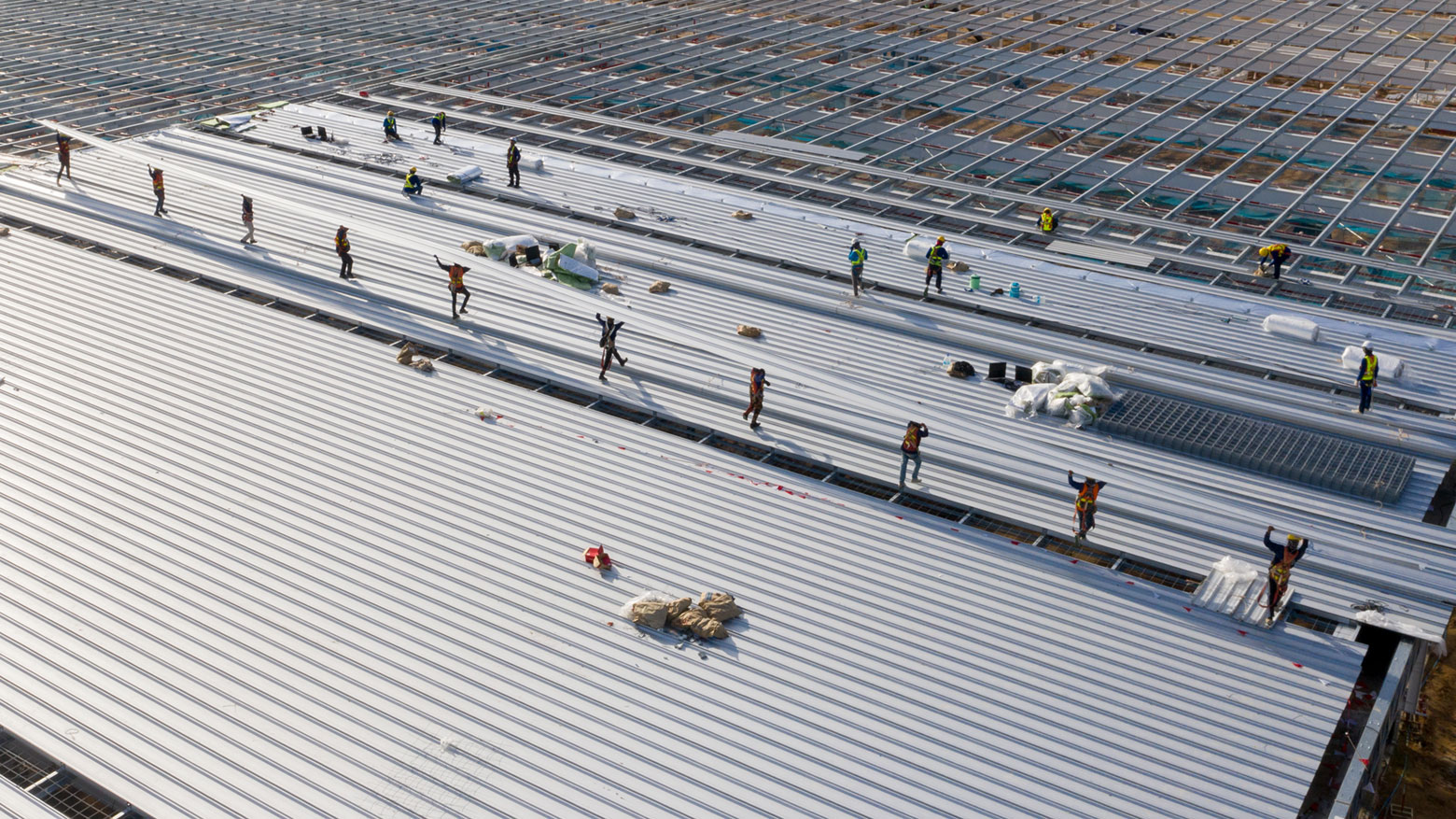
Training floors and court areas are wide, column-free spaces, which means the roof above them is a long span that deflects and pulls at its fastening under wind. We confirm the deck type and test fastener pull-out before locking in an attachment pattern, because a 30-foot bay and an 80-foot bay on the same building are not the same engineering problem.
Roofing a Building That Never Closes
Plenty of Detroit gyms run 24 hours, and most are open from before dawn to past midnight, seven days a week, year-round. There is no overnight maintenance window to hide a tear-off in. We build the schedule with the facility's team up front: crew start times and noise limits near occupied locker rooms are set in the pre-construction plan, work is sequenced around peak hours, and we coordinate around pool-chemical deliveries and the HVAC service windows that keep the pool air in compliance with Michigan's standards for public swimming facilities. The manager gets a daily report confirming the roof is watertight before the next operating cycle begins. Scheduling around the gym's hours is part of our scope, never a change order.
National operators run their own vendor-approval and facilities-management processes, and we work inside them — formatting documentation to match the corporate system and reporting through their channels. Independent club owners and the commercial real estate investors who hold these buildings get the same closeout package on a more direct line of communication. The roof and the paperwork come out the same either way.
Our pool ceiling keeps staining even though the roof looks fine. Why?
That is almost always interior condensation, not a surface leak. Humid pool air is reaching the cold deck and condensing inside the assembly because the vapor retarder is missing or in the wrong place. We survey the assembly and rebuild it with the vapor control layer positioned correctly for Detroit's climate.
Can you re-roof without closing the gym?
Yes. We sequence the work around your operating hours, set noise limits near locker rooms in advance, coordinate with pool-chemical and HVAC schedules, and confirm a watertight dry-in daily before the next operating cycle.
Why does my gym have so many rooftop units compared to a store the same size?
High occupancy and wet rooms demand heavy, segmented ventilation — training floor, group rooms, locker rooms, and pool each get their own systems. That multiplies the penetrations, which is exactly why each one needs individual flashing under a gym's humidity load.
What membrane do you recommend for a club with a pool?
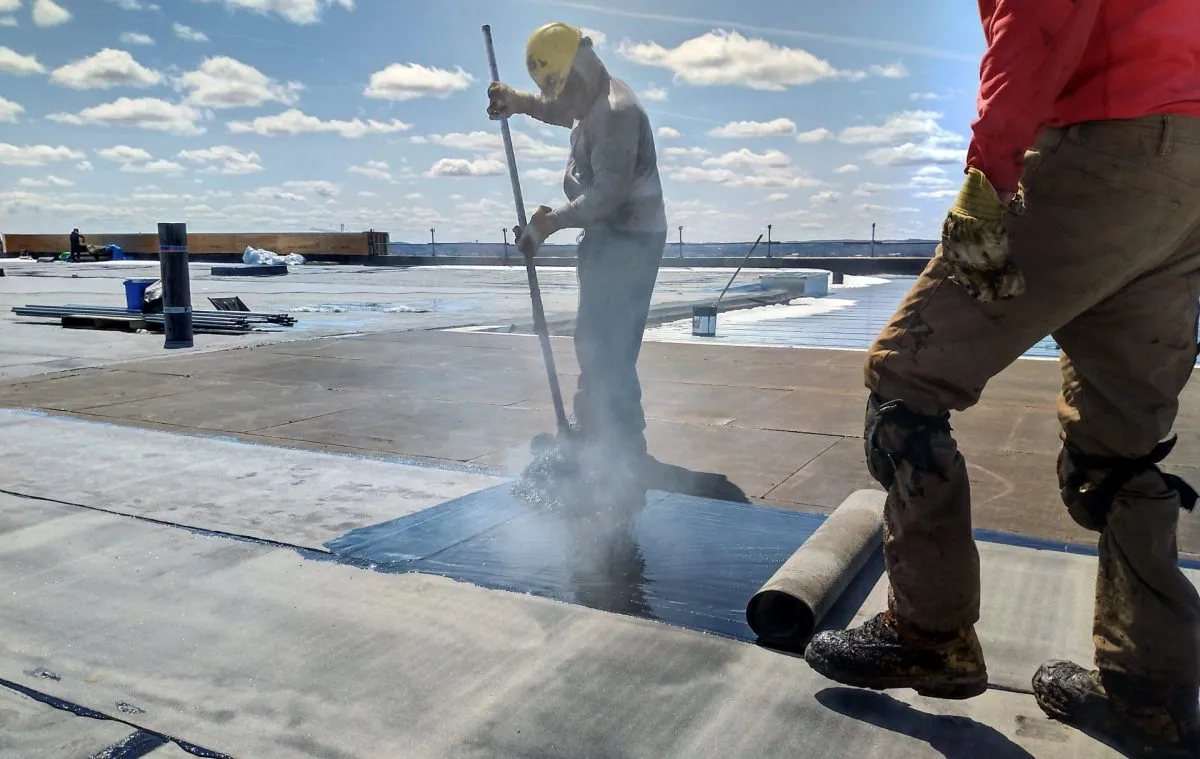
A fully adhered 60-mil TPO or PVC. Adhering the membrane removes the mechanical fastener field and gives a tighter, more vapor-resistant assembly over the wet areas.
Do you handle the rooftop HVAC curbs too?
Yes. Curb flashing is standard scope. We document every curb's size and height and raise or replace any that sit below the manufacturer's minimum so the new membrane meets warranty requirements.
Roof-area photos, access notes, leak points, rooftop equipment conditions, and visible membrane details.
Drainage, seams, curbs, penetrations, edge metal, winter exposure, repair limits, and replacement triggers.
A practical split between emergency work, repair, maintenance, coating, recover, and replacement planning.