Movie Theater & Cinema Roofing in Detroit, MI
Long-span auditorium decks, dense per-screen HVAC, and sound-rated assemblies, reroofed around the evening screening schedule.
A cinema roof is a long-span structure first
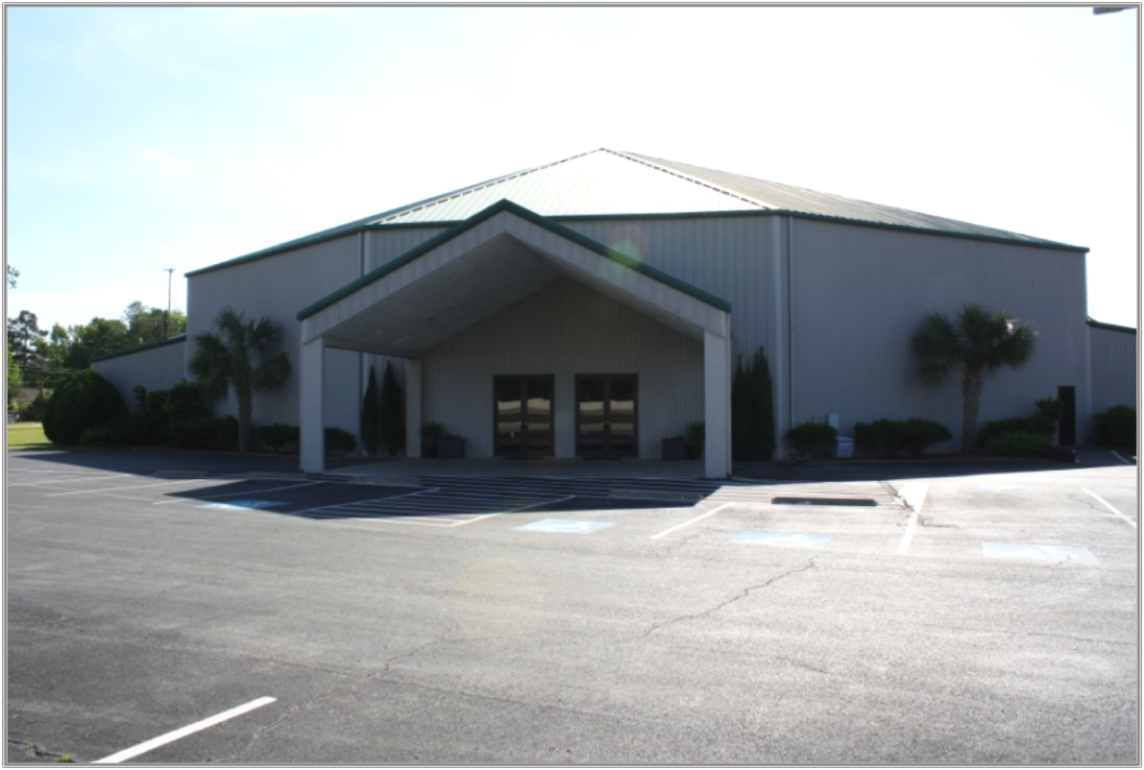
The defining feature of a movie theater roof is the column-free span over each auditorium. An eight- to twelve-screen multiplex carries clear spans of eighty to a hundred fifty feet in every bay, and those spans deflect under load in ways a retail-box fastening pattern was never designed to handle. We start a cinema roof by reading the actual deck type and span and setting fastener density and insulation attachment to match, rather than dropping a strip-mall template onto a building that behaves nothing like one. Sound matters too: the insulation and membrane assembly is part of keeping rain noise and outside sound out of a dark, quiet auditorium, so we treat the buildup as an acoustic layer, not just a weather layer.
Detroit and its suburbs carry the full range of these buildings. The Emagine and MJR multiplexes across the metro, the restored Redford Theatre on Lahser with its historic deck, and the entertainment-district cinemas tied into mixed-use blocks downtown all present different structures under one membrane. Michigan winters then load those long spans with snow and run them through freeze-thaw cycling, while lake-driven wind drives uplift across a wide, exposed roof, so the same span that complicates fastening also has to carry a real Michigan snow load without ponding meltwater against the drains.
The rooftop mechanical rivals a hospital
Cinema rooftops are crowded. Each auditorium typically gets its own dedicated rooftop HVAC unit, and on top of that sit concession exhaust, lobby boiler vents, and condensers for the walk-in coolers feeding food service. The penetration cluster over a typical multiplex looks more like a data center than a retail building. Every curb, duct penetration, and conduit run is flashed and documented individually before new membrane goes over it, because a missed detail in that field is exactly where the next leak starts.
Deck type drives the attachment method
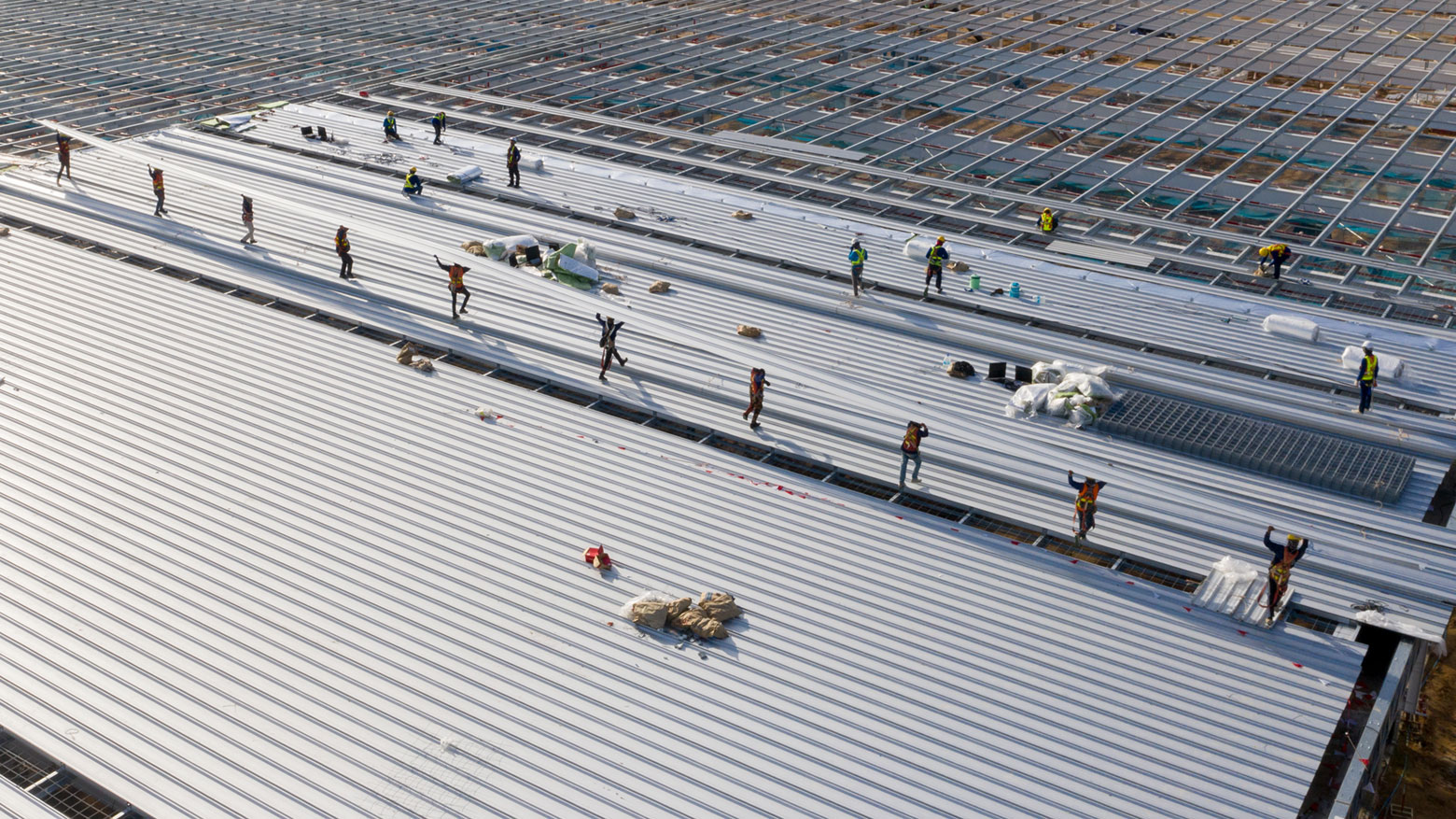
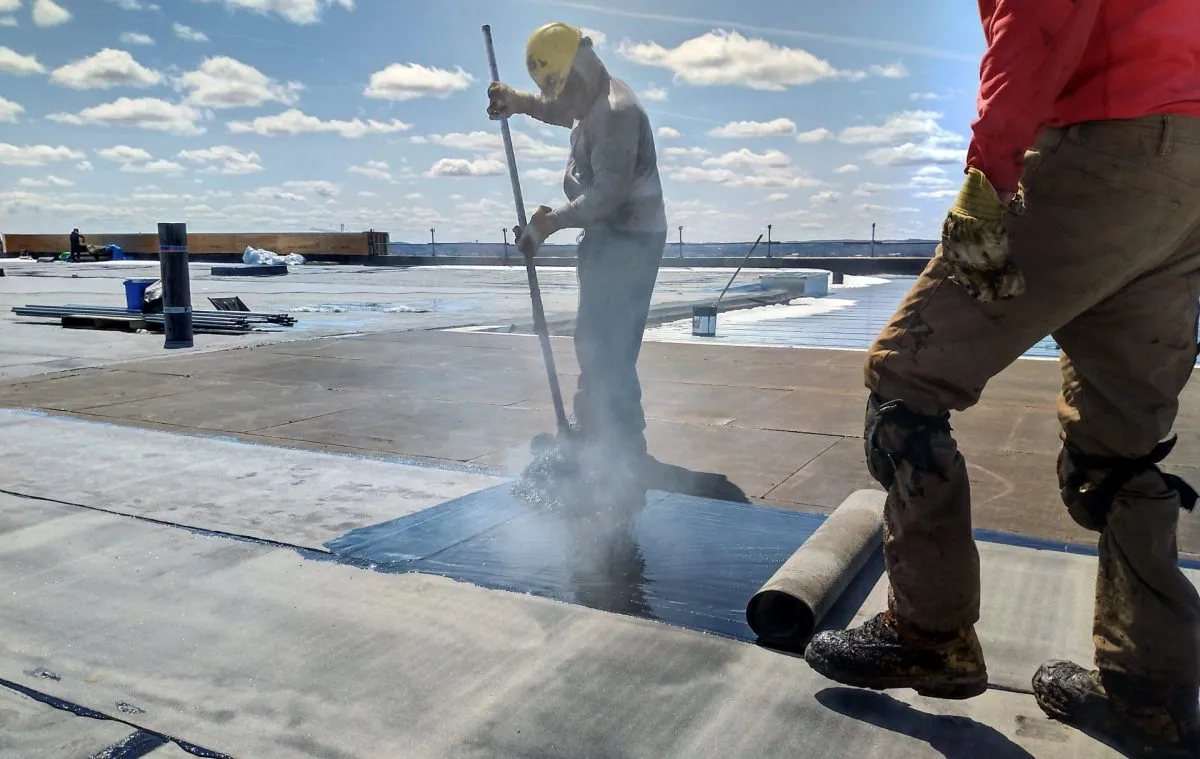
Cinemas are usually built on steel deck or concrete over structural steel, and each substrate wants a different approach. Steel deck takes mechanical attachment directly; concrete takes adhered or ballasted systems where the structure allows. On a reroof we pull a core sample first to confirm the existing insulation layers, moisture content, and total weight in place before recommending a recover versus a full tear-off. Older short-rib steel deck has lower fastener pull-out values than modern three-inch rib, so we verify gauge and rib before committing to a fastening pattern, and on spans where deflection is a concern we may go to an adhered or hybrid system to keep point loads off the seams.
Marquees, canopies, and entry transitions
For most Detroit multiplexes, 60-mil or 80-mil TPO mechanically attached over tapered polyiso is the workhorse. Tapered iso corrects the drainage deficiencies that accumulate over decades on a flat theater roof, and white TPO meets the cool-roof energy-code requirements most jurisdictions now apply to commercial reroof permits. Reinforced walkway pads go in at the high-traffic service routes.
Sound, insulation, and protecting the experience below
A theater roof has a job no warehouse roof has: keeping the outside world out of a dark, quiet room where the whole product is sound and image. Heavy rain drumming on a thin, poorly insulated deck carries straight into an auditorium, and a roof leak does not just stain a ceiling here, it can shut a screen and refund a full house. We treat the insulation buildup as part of the acoustic and thermal envelope, keep the assembly continuous across the long spans so there are no thin spots over the seating, and detail the deck to dampen rain noise rather than amplify it. Stadium-seating multiplexes also stack mechanical rooms and projection spaces against auditorium walls, so we coordinate flashing at those roof-level wall transitions to keep both water and outside noise from tracking in.
The same broad, low-slope decks that make a multiplex easy to span make it prone to ponding, and decades of deck creep leave dead-flat areas that hold water over the auditoriums. Tapered insulation is the core of the fix: we lay out crickets between drains, build positive slope toward interior drains and overflow scuppers, and size the system so a Michigan downpour or a fast snowmelt clears instead of sitting. On a reroof we map the existing low spots and standing-water stains during the roof walk, then design the taper to eliminate them rather than re-creating the same ponding under new membrane.
Cinemas run afternoon through late night, seven days a week, which puts them in the same scheduling bracket as 24-hour buildings. We sequence tear-off and dry-in so each section is watertight before evening screenings begin, and we coordinate any HVAC shutdown windows needed for curb or penetration work with facilities management. Loading-dock access, marquee electrical, and evening foot traffic at the entries all factor into the sequencing so the work stays clear of the opening routine.
Questions Detroit theater operators ask
What membrane do you put on a multiplex?
Usually 60-mil or 80-mil TPO mechanically attached over tapered polyiso, with reinforced walkway pads at the rooftop-HVAC service routes.
How do you handle the long auditorium spans?
We verify deck rib and gauge, set fastener patterns and pull-out testing to match, and on deflection-prone spans may specify an adhered or hybrid system to keep point loads off the seams.
Can you re-roof without closing the theater?
Yes. We stage tear-off and dry-in so each section is watertight before evening screenings and coordinate any HVAC shutdowns with facilities.
How is a cinema reroof priced?
Per roof square, based on membrane spec, existing assembly condition, penetration density, and access. Most include tapered insulation, which adds cost but extends service life by eliminating ponding. We give fixed-price proposals after a roof walk and core review.
Do you handle the marquee and entry canopies?
Yes. Marquee penetrations and entry canopy-to-building transitions are evaluated and re-flashed as part of every project.
Roof-area photos, access notes, leak points, rooftop equipment conditions, and visible membrane details.
Drainage, seams, curbs, penetrations, edge metal, winter exposure, repair limits, and replacement triggers.
A practical split between emergency work, repair, maintenance, coating, recover, and replacement planning.