Mixed-Use Development Roofing in Detroit, MI
Commercial roofing for mixed-use developments, urban infill projects, and live-work-play buildings.
Detroit's architectural comeback has produced some of the most compelling mixed-use development projects in the Midwest, as decades of disinvestment gave way to the Bedrock Detroit-led transformation of downtown and Midtown's emergence as one of the country's most discussed urban renewal stories. The District Detroit project, the Grand Circus Park corridor renovations, and the ongoing densification of the Corktown neighborhood—rooted in Ford Motor Company's Michigan Central Station project—have created a mixed-use development environment where building quality expectations are high and the architectural character of individual projects matters to the community that has invested in Detroit's revival. Roofing contractors working in this market serve clients who have taken significant financial and reputational risk on Detroit's future and who expect execution quality that matches that commitment.
Detroit's climate is shaped by Lake St. Clair and Lake Erie proximity, which moderates temperatures somewhat compared to interior Midwest cities but also introduces lake-effect snow events that can deposit significant snow loads rapidly. Mixed-use buildings in Corktown, Midtown, and New Center must be designed for both the static snow loads specified in the Michigan Building Code and the drift loading that occurs at parapet transitions, mechanical penthouse step-downs, and rooftop equipment clusters. The use-transition deck between retail and residential floors must handle not just the normal waterproofing demands but the additional challenge of heavy wet lake-effect snow loads that can exceed the design assumptions of buildings engineered without specific attention to drift accumulation.
The historic masonry buildings that anchor Detroit's revival—the Michigan Central Station, the Book Tower, the David Whitney Building, and the many smaller Corktown commercial structures being converted to mixed-use—present waterproofing challenges that combine the technical demands of historic preservation with the performance requirements of modern mixed-use programming. Parapet and through-wall flashings in these buildings have often been compromised over decades of deferred maintenance, and a reroofing project that does not address the full scope of flashing remediation will fail to correct the moisture pathways that have been damaging interior finishes and structural materials. Contractors who offer comprehensive flashing investigation before finalizing the reroofing scope protect both themselves and the building owner from the warranty disputes that arise when incomplete remediation leaves active leak pathways.
Rooftop amenity decks in Detroit's Midtown and downtown mixed-use buildings serve a residential community that has chosen urban living in a city that still requires active community investment in neighborhood character. These amenity spaces are important to building marketing programs and to the sense of community that makes the choice to live in a Detroit mixed-use building rewarding rather than merely convenient. The waterproofing beneath them must perform for decades without requiring the kind of disruptive rework that would temporarily eliminate a key building amenity in a market where positive community experiences drive the word-of-mouth that supports continued urban migration. Investing in quality waterproofing system design and installation on these decks is a direct investment in the building's long-term value proposition.
The Bedrock Detroit portfolio and the major institutional owners active in downtown's revitalization have developed sophisticated real estate management operations that include formal vendor qualification, digital asset management systems, and performance-based maintenance contracts. Roofing contractors who want to participate in this segment of the market must invest in the back-office infrastructure that these owners require: digital inspection reporting, warranty documentation management, insurance certificates organized for portfolio coverage, and the organizational capacity to respond to emergency leak calls in occupied buildings within the contractually agreed timeframe. Firms that treat the administrative requirements of institutional ownership as a burden rather than a business capability will find this segment of the Detroit market inaccessible.
Fire-rated assemblies in Detroit's mixed-use buildings follow Michigan's adoption of the IBC, and the City of Detroit's Buildings, Safety Engineering and Environmental Department processes permits for commercial renovation projects with a review process that has become more efficient as Detroit's development activity has generated the volume needed to support a capable inspection staff. Understanding the BSEED's specific documentation expectations for fire-rating compliance at occupancy separations, and submitting complete applications that include all required assembly documentation, is the most reliable way to achieve timely permit issuance in a market where project schedules are tightly managed. Experienced Detroit contractors have relationships with the BSEED that allow them to clarify interpretation questions before submitting applications rather than resolving them through formal plan review comments.
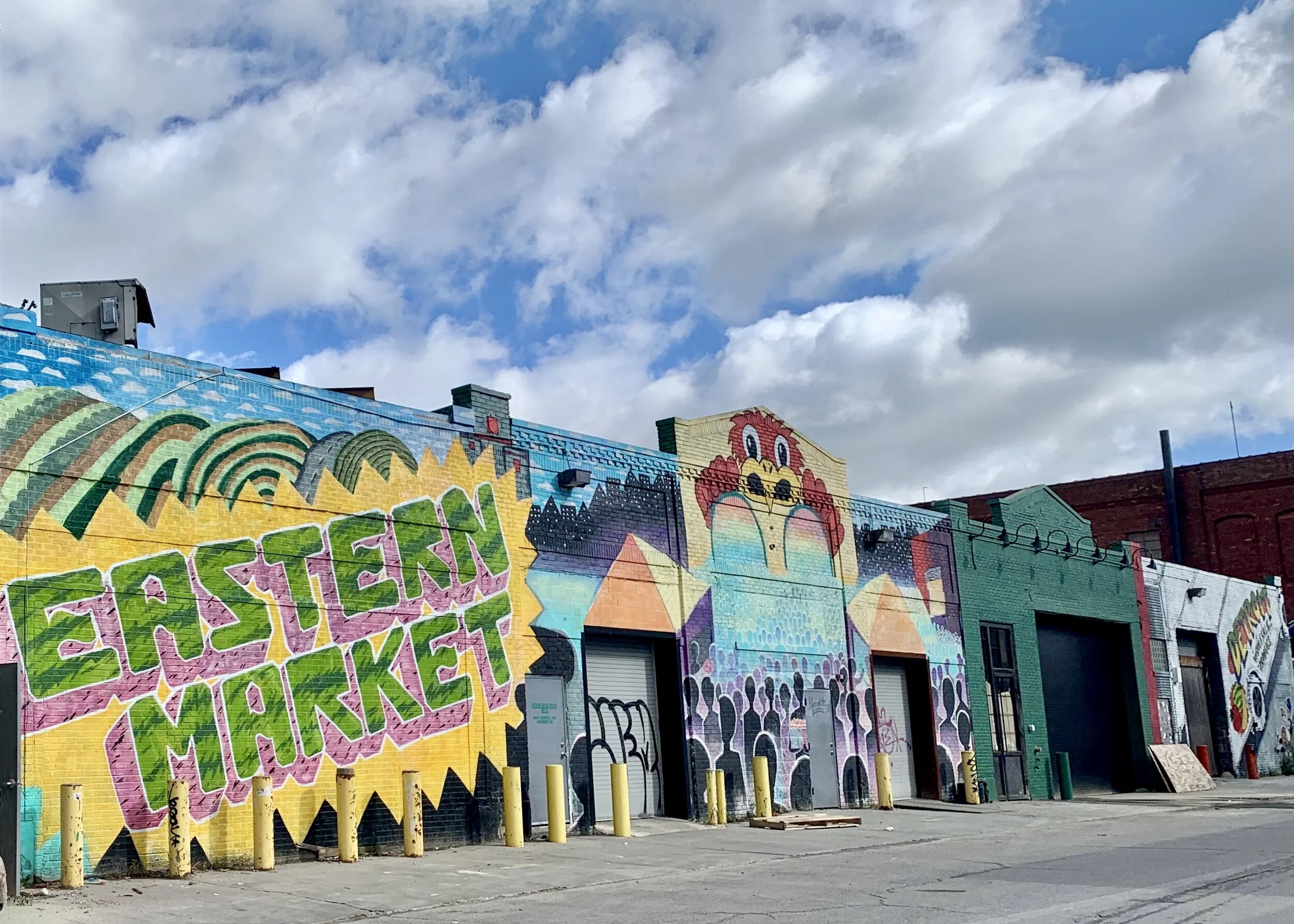
Green roofs have become a visible feature of Detroit's sustainability narrative, with projects like the Eastern Market greening initiatives and the green roof installations on several of the Wayne State University and Detroit Medical Center adjacent buildings demonstrating the technology in a local context. The Great Lakes Water Authority's stormwater management programs and the Detroit Water and Sewerage Department's green infrastructure incentives create financial motivation for mixed-use developers to incorporate green roofs as part of their site's stormwater management strategy. Detroit's combined sewer overflow program has invested heavily in green infrastructure, and mixed-use buildings in neighborhoods targeted by the program may qualify for financial support that reduces the incremental cost of green roof installation.
Noise isolation during reroofing of Detroit's occupied mixed-use buildings requires particular sensitivity in the neighborhoods where the residential population above includes the creative professionals, artists, and entrepreneurs who have made Detroit's revitalization culturally compelling. Corktown and Midtown have significant populations of residents who work from home, record music in home studios, or maintain irregular schedules that make standard daytime construction windows less predictable in their impact. Pre-construction conversations with building management about the residential community's specific noise sensitivities, and a commitment to building that knowledge into the construction schedule, reflect the kind of community awareness that distinguishes professional contractors in a market where personal reputation drives business development.
Detroit's sustained development pipeline—from the Ford Corktown campus to the Eastern Market mixed-use renovations to the continued Midtown densification along Woodward Avenue—creates long-term demand for commercial roofing expertise at the highest professional level. Contractors who have invested in the technical skills, logistical capability, and institutional relationships that Detroit's mixed-use market requires are positioned to grow with the city's trajectory over the next decade. The combination of historic renovation, new construction, and portfolio maintenance work creates a diverse project mix that supports year-round revenue and the kind of workforce stability that allows for consistent quality delivery across projects.
Roof-area photos, access notes, leak points, rooftop equipment conditions, and visible membrane details.
Drainage, seams, curbs, penetrations, edge metal, winter exposure, repair limits, and replacement triggers.
A practical split between emergency work, repair, maintenance, coating, recover, and replacement planning.