Retail and Shopping Center Roofing in Detroit, MI
Commercial roofing for retail centers, strip malls, big-box stores, and shopping destinations.
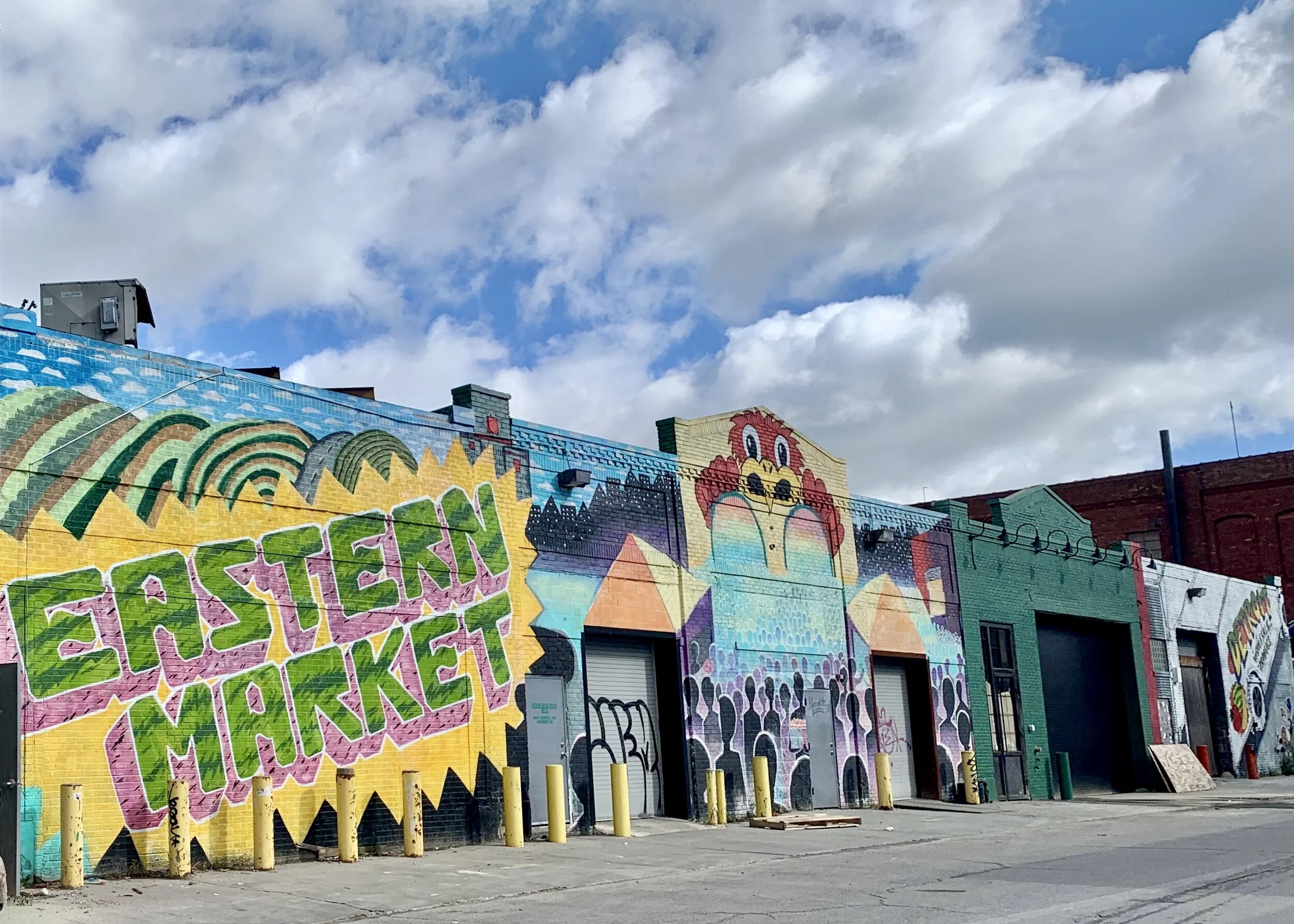
Detroit's retail landscape is one of the most geographically complex in the Midwest — a patchwork of urban neighborhood centers undergoing revival in Midtown and Eastern Market, established suburban corridors along Telegraph Road and Woodward Avenue through the Downriver communities and the Grosse Pointe strip, and major power center developments in the outer suburbs from Sterling Heights to Canton. Each segment of that retail geography carries its own building vintage, ownership profile, and roofing condition, but they share a common denominator: southeastern Michigan's climate is among the harshest for commercial flat roofing in the eastern half of the country, combining prolonged winters with heavy lake-effect snow, aggressive freeze-thaw cycling, and thunderstorm activity that produces significant hail in spring and early fall.
Lake-effect snow is the defining weather challenge for Detroit area retail roofing that doesn't affect any other major commercial real estate market at the same scale. Communities south and east of Lake St. Clair and Lake Erie — including communities like Monroe and communities along the we-94 corridor toward Ann Arbor — can receive dramatically different snow accumulations than properties ten miles to the northwest, and retail buildings in the heaviest lake-effect zones need roofing specifications and drainage systems designed for that elevated snowpack. Retail properties along Downriver commercial corridors like Eureka Road in Taylor or Fort Street in Lincoln Park have roof drainage systems that were designed decades ago and may not have been updated to reflect increased storm water management demands. A drainage capacity review should be part of any reroofing specification in these communities.
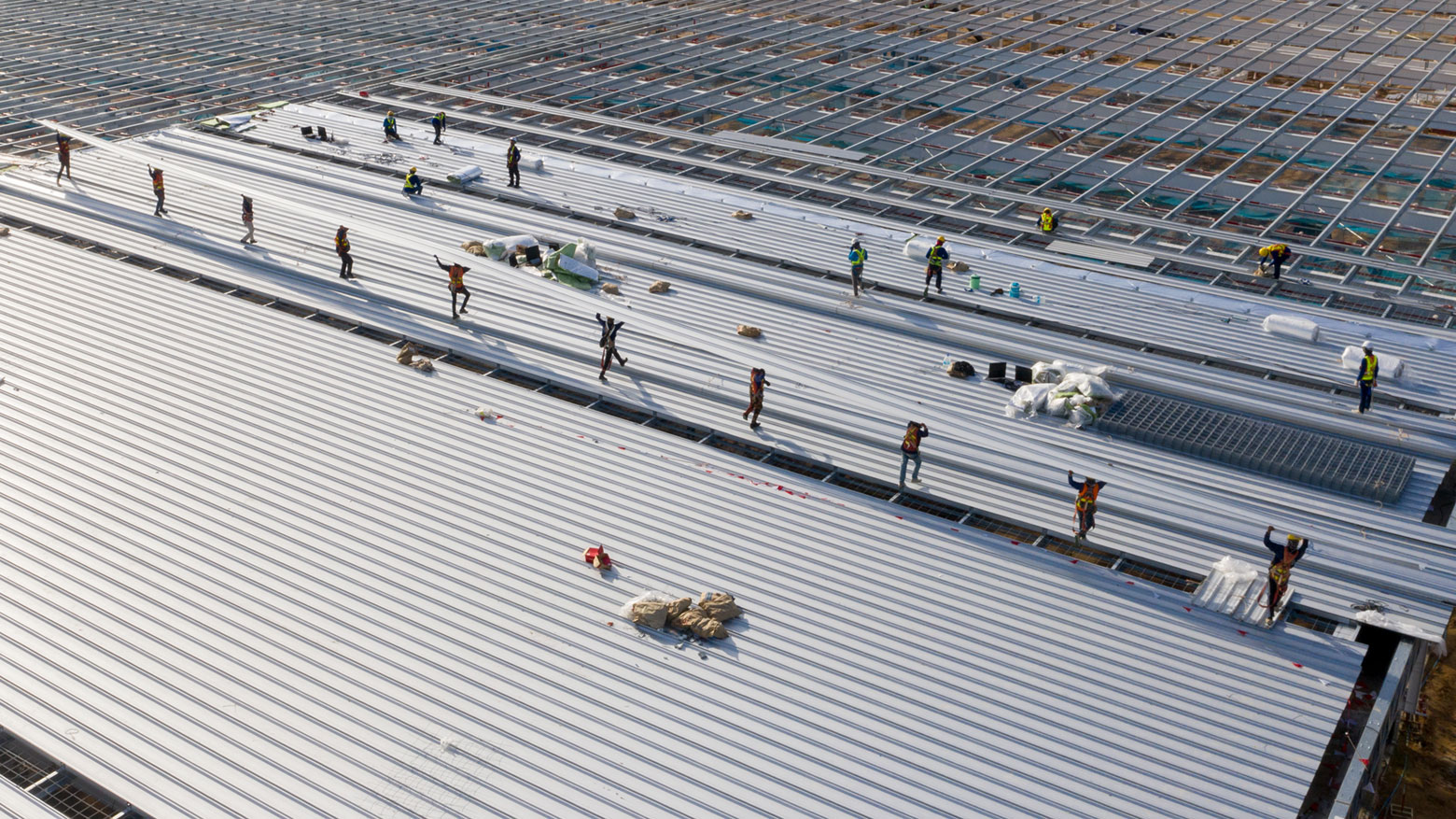
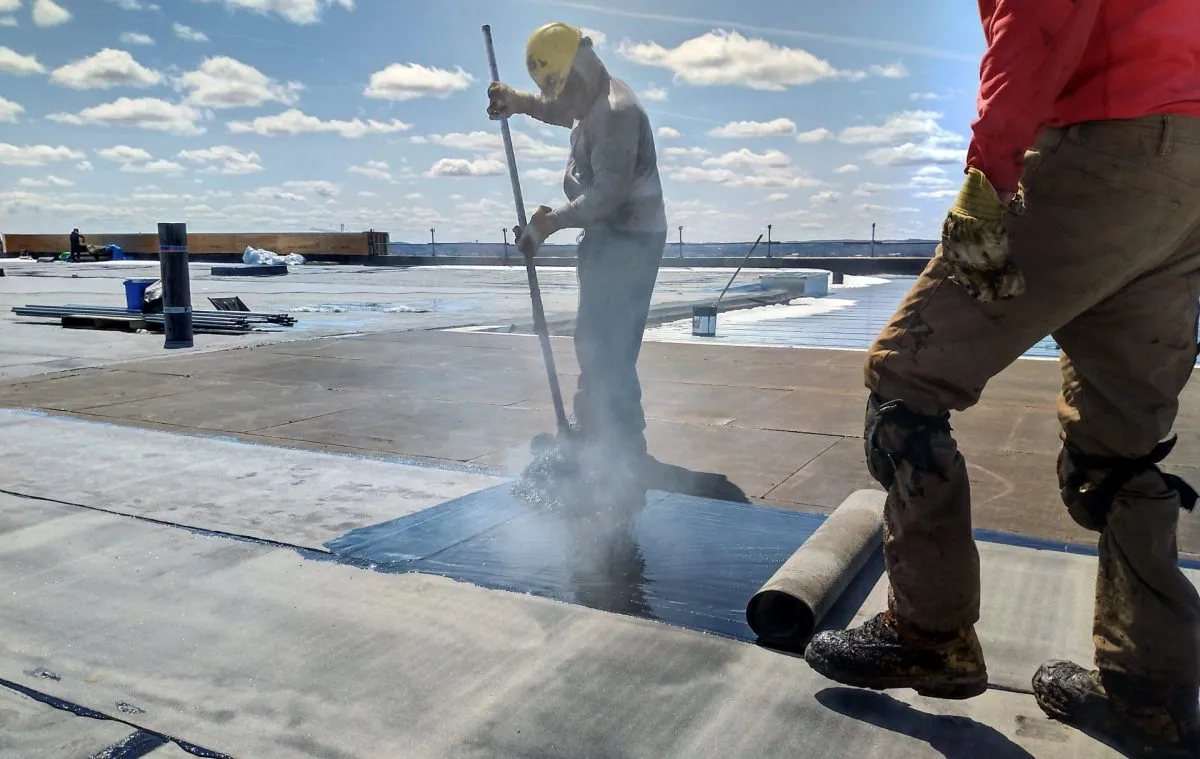
TPO membrane roofing has become the dominant system for Detroit area retail reroof projects over the past fifteen years, primarily because of its proven performance in Michigan's winter cycle. Heat-welded seam technology creates the monolithic membrane integrity that freeze-thaw exposure demands, and TPO's flexibility at low temperatures — unlike some EPDM adhesive systems that become brittle in Michigan cold — allows it to handle the thermal cycling between December's sub-zero wind chills and April's rapid warmup periods without seam adhesion failures. Detroit-area retailers ranging from anchor stores at Lakeside Mall's surrounding pad sites to inline tenants at community centers in Dearborn and Livonia have benefited from TPO conversion projects that replaced aged three-tab granule-surface systems with warranted single-ply installations.
HVAC penetration management on Detroit retail rooftops is complicated by both the climate and the age of the building stock. Michigan's heating season runs six months or longer, and rooftop gas-fired equipment at Detroit area retail centers cycles through thermal stress across a temperature range that extends from well below zero to 90 degrees Fahrenheit over the course of a year. Metal equipment curbs, pipe penetration sleeves, and condensate line runs all experience significant expansion and contraction that gradually works at improperly detailed flashing terminations. In addition, many Detroit area retail buildings are old enough to have had multiple roofing systems installed, each with its own set of penetration modifications — creating a layered penetration inventory that requires a systematic assessment before any new system is installed over it.
Tenant disruption in the Detroit retail market carries economic significance that is directly tied to the market's recovery trajectory. Detroit's inner-ring suburban commercial corridors — communities like Eastpointe, Hazel Park, and Warren — have retail properties whose tenant bases are thin enough that a disrupted anchor or inline tenant represents a meaningful financial event for the center as a whole. Roofing contractors working in these markets need to operate with a tenant-protection mindset that goes beyond standard commercial practice: coordinating parking access for tenant customers during work hours, minimizing noise impact during business hours, and communicating proactively with tenants whose businesses depend on walk-in traffic that won't wait through a construction-impacted customer experience.
Detroit's urban retail revival — concentrated in neighborhoods like Midtown, New Center, and the West Village commercial stretch — presents specialized roofing contexts that differ substantially from suburban strip center work. Historic buildings repurposed for ground-floor retail use brick masonry parapets, slate or clay tile secondary roofing elements, and interior drain systems whose original design intent has been modified multiple times over decades of ownership. Commercial roofing contractors working in Detroit's urban retail context need experience with masonry parapet waterproofing, through-wall flashing at reglet and counterflashing conditions, and coordination with the Detroit Historic District Commission when parapet modifications are involved in the scope.
CAM budget planning for roofing in the Detroit market has to reflect the reality that many retail properties in the metro — particularly in the inner-ring suburbs — carry below-market rents relative to outer-suburban competition in communities like Auburn Hills and Novi. Strip center landlords in communities like Southgate, Wyandotte, and Melvindale are managing tight operating margins in properties where deferred roofing maintenance has often accumulated over multiple ownership generations. A phased capital approach that addresses the highest-risk roof sections first, documented by a professional condition assessment, is often the most financially feasible path for Detroit area landlords who can't fund a full-building replacement in a single budget year.
Retail brand standards in Detroit's major suburban retail corridors become relevant during lease renewals and anchor tenant improvement projects at properties like the Fairlane Town Center adjacent retail pads, Partridge Creek's surrounding strip, and the power centers in Auburn Hills near Great Lakes Crossing. National tenants with detailed facility standards require pre-coordination between their corporate real estate and facilities teams, the property's roofing contractor, and the mechanical contractor when any rooftop work is included in a tenant improvement scope. Detroit-area retail landlords who treat those brand standard requirements as tenant preferences rather than contractual obligations learn the consequences when a tenant withholds lease payments citing landlord's failure to maintain building standards.
Selecting a commercial roofing contractor for Detroit retail properties ultimately comes down to verifying Great Lakes region experience rather than just Midwest experience. A contractor with strong track record in Kansas City or Columbus may not have encountered lake-effect snow drainage demands, Michigan's specific freeze-thaw cycling profile, or the aged commercial building stock that characterizes much of the Detroit metro. Manufacturer-certified installers with documented Michigan retail references, adequate bonding and insurance, and a dedicated project management structure for active commercial properties are the minimum qualifications for any Detroit area retail roofing project — and verifying those credentials before award is cheaper than discovering their absence after installation.
Roof-area photos, access notes, leak points, rooftop equipment conditions, and visible membrane details.
Drainage, seams, curbs, penetrations, edge metal, winter exposure, repair limits, and replacement triggers.
A practical split between emergency work, repair, maintenance, coating, recover, and replacement planning.