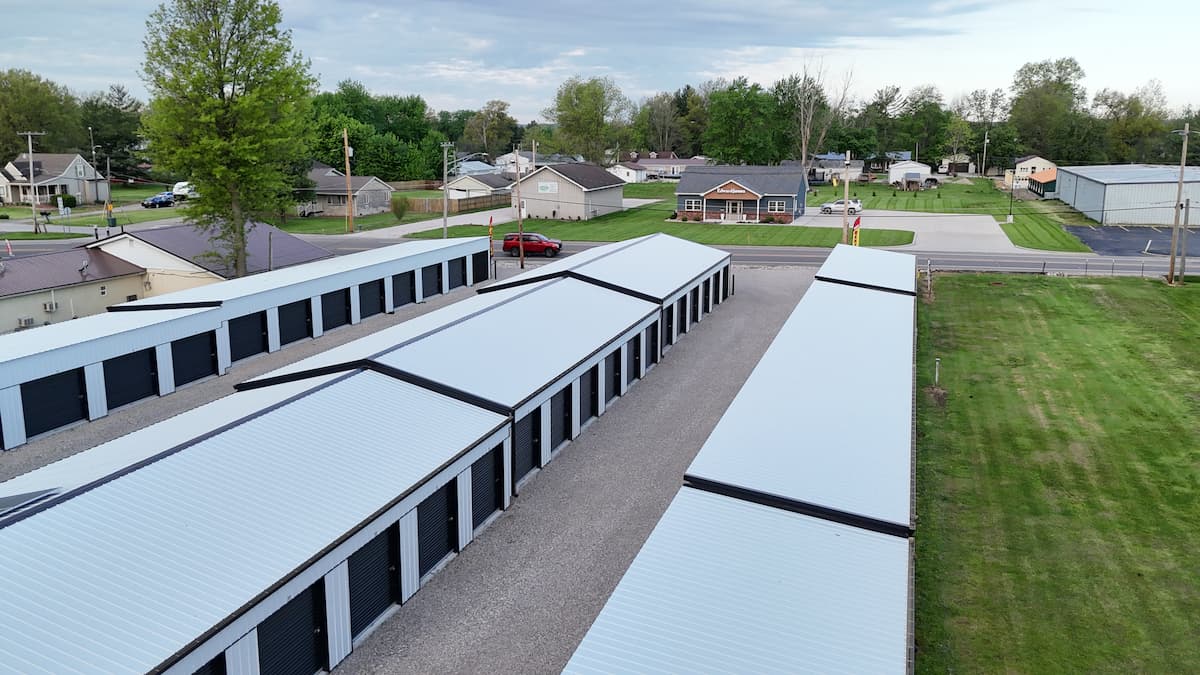
Self-Storage Facility Roofing in Detroit, MI
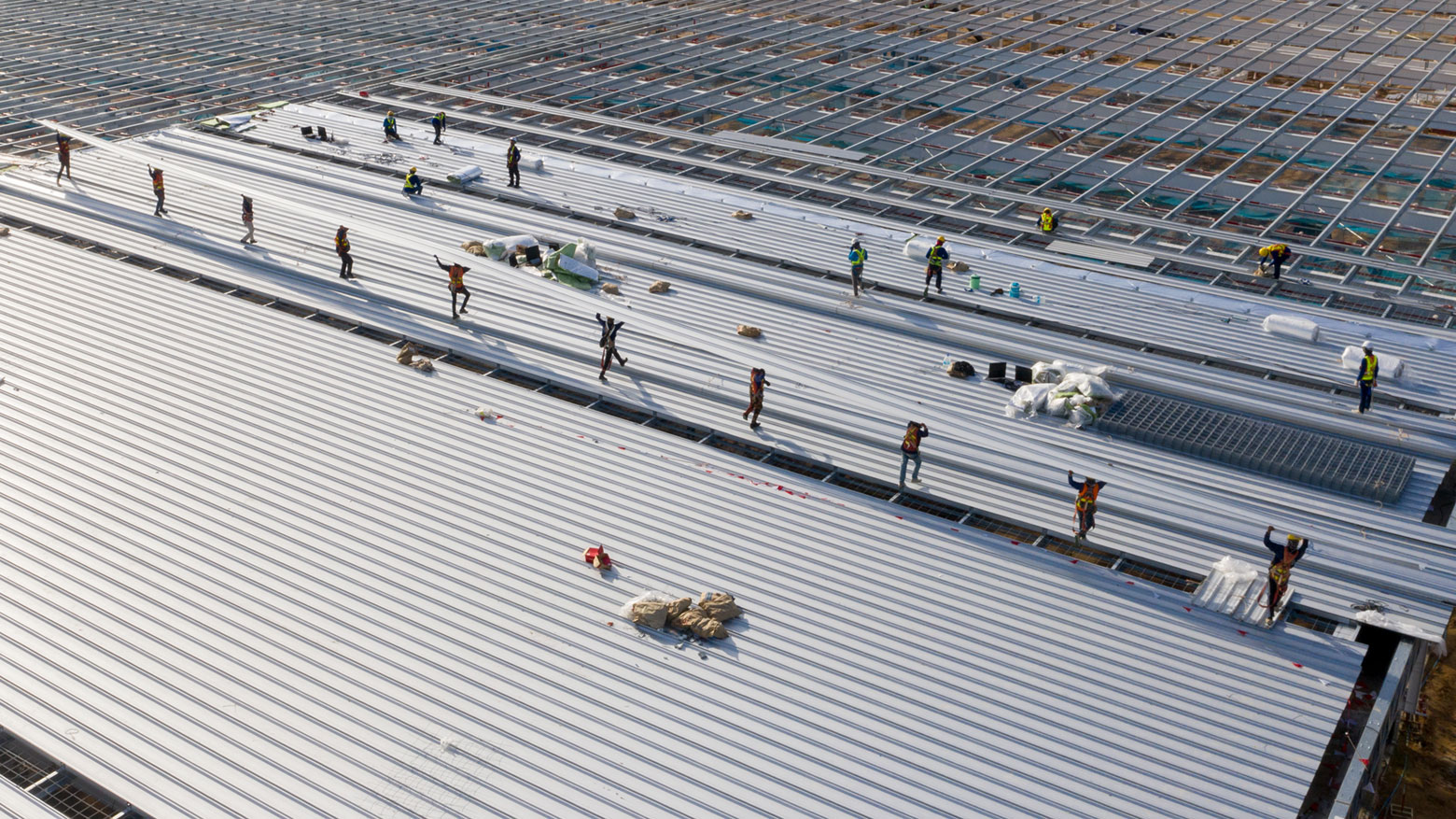
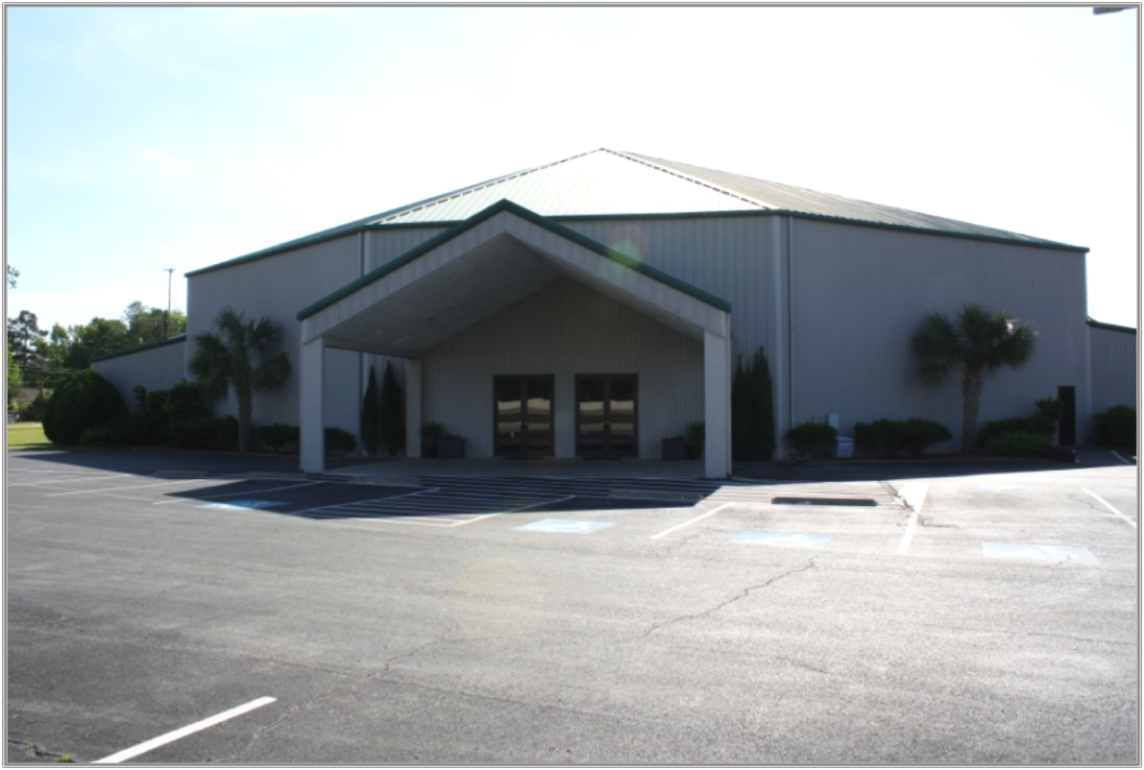
Commercial roofing for self-storage facilities, mini-storage units, and climate-controlled storage.
U-Haul Moving and Storage operates one of the largest combined truck rental and self-storage facilities in the Detroit area on West McNichols Road, a property that typifies the large-footprint, multi-structure commercial storage campus that dominates the industry in major Midwest metros. Detroit's climate — cold, snowy winters fed by Lake Erie and Lake Huron moisture, combined with warm humid summers and an active spring hail season — subjects self-storage roofs to a comprehensive weather testing regimen every year. A roofing system that survives Detroit's winters and remains watertight through its springs is a genuinely well-designed and well-installed product.
Lake-effect snow is the weather phenomenon that most distinguishes Detroit's winter roofing environment from inland Midwest markets. Cold air sweeping across the Great Lakes picks up moisture and deposits it as heavy, persistent snow across southeast Michigan. Detroit can receive multiple heavy lake-effect events in a single winter, with some storms depositing several inches of wet, dense snow in a matter of hours. Self-storage facilities with large flat roof areas accumulate this snow without shedding it the way sloped roofs do, requiring structural decks capable of handling sustained snow loads and drainage systems capable of managing rapid melt when temperatures eventually recover.
Freeze-thaw cycling in Detroit occurs frequently through the November-to-April season, with temperatures crossing the 32°F threshold dozens of times in an average winter. Each cycle stresses any moisture that has infiltrated the roofing assembly, gradually working open small defects in aged membranes or marginally bonded lap seams. The spring thaw then reveals the cumulative damage — leaks that weren't visible in January when the water was frozen in place become apparent when temperatures rise and the ice melts. A proactive fall inspection that identifies and repairs these vulnerabilities before winter freeze prevents the unpleasant spring discovery of widespread infiltration.
Hail visits the Detroit area reliably each spring and summer, with significant events occurring every few years. The city sits at the eastern edge of the Midwest hail belt, and strong supercell thunderstorms tracking northeast from Indiana and Ohio regularly bring hail-producing cells across southeastern Michigan. Storage operators in the Detroit area have learned to treat hail season as an annual event requiring post-storm inspections rather than an occasional catastrophe to be surprised by.
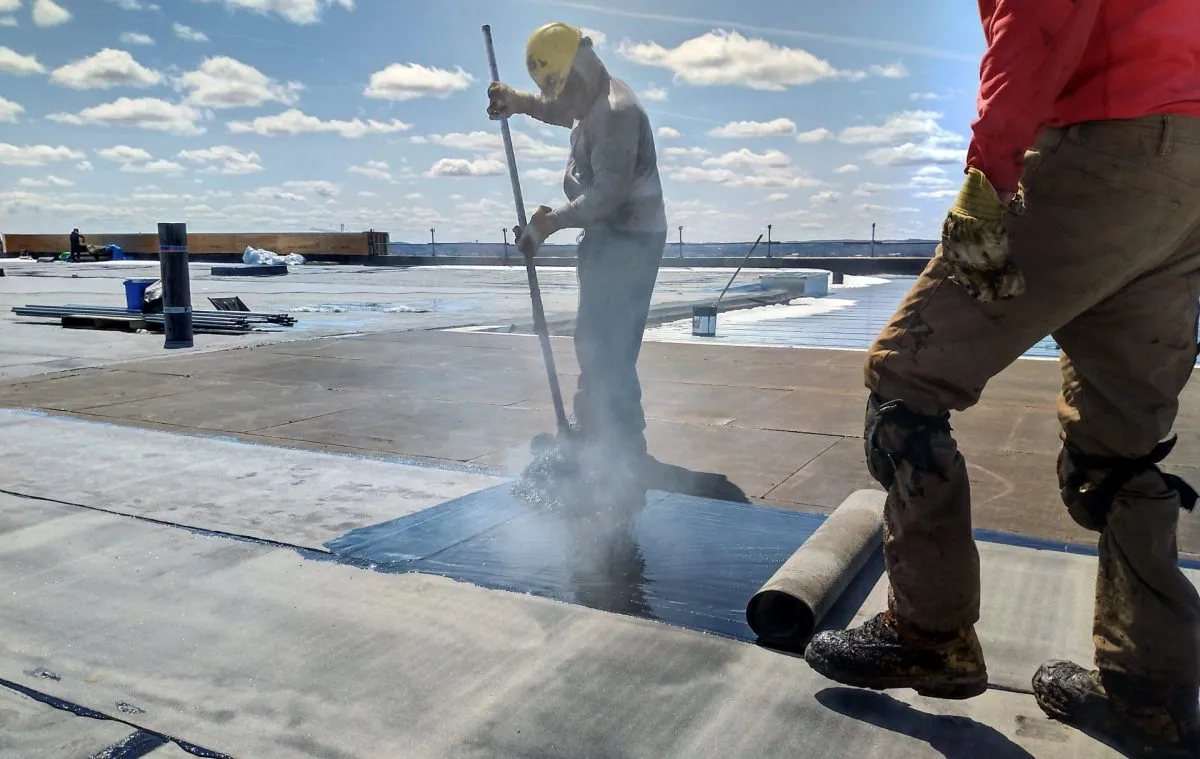
Modified bitumen roofing systems have a long track record in the Michigan climate and remain a strong specification for Detroit self-storage facilities. The combination of granule-surfaced cap sheets that resist hail impact and the multi-ply redundancy that handles freeze-thaw stress makes modified bitumen a reliable choice for the demanding Michigan climate. Cold-weather flexibility in properly formulated bituminous products allows emergency repairs to be made in Detroit's frigid winters rather than waiting for spring — a meaningful practical advantage for storage operators who cannot afford to leave active leaks unaddressed while tenants' belongings are at risk.
Climate-controlled storage in the Detroit market has grown significantly as the product has become better understood by consumers. Michigan's cold winters make heated storage valuable for protecting vehicles, batteries, electronics, and other cold-sensitive items. Insulation specifications for Detroit climate-controlled facilities need to address both winter heating requirements and summer cooling — the same R-25 to R-30 assembly that keeps a storage unit from freezing in January also reduces cooling loads in July and August when Detroit's summer humidity makes high interior temperatures uncomfortable for anything stored in the unit.
Drainage design for Detroit storage roofs must account for the snowmelt scenario as well as rainfall. When a major lake-effect snow event is followed by a warm front, the combination of rain on snow can create drainage demands that exceed what a system sized purely for design rainfall intensity can handle. Internal drains should be supplemented with overflow scuppers positioned to activate before roof water depths reach levels that would approach structural load limits. Drain maintenance in fall — before the first snow locks debris in place — is essential preventive maintenance for Detroit storage operators.
Roof insulation condition assessments using infrared thermal scanning have become standard practice for Detroit-area commercial roofing projects. Infrared scanning identifies areas of wet or missing insulation by detecting the heat differential between dry and moisture-saturated insulation boards. For a large storage campus where replacing all insulation might not be economically justified, infrared scanning allows targeted replacement of the most compromised sections while retaining insulation that is still performing adequately — a cost-effective approach to optimizing the thermal envelope without a full tear-off.
Self-storage operators in Detroit who maintain their roofing systems diligently find that the investment pays dividends in tenant retention and property value. A storage campus that consistently protects tenant belongings through Michigan's winters builds the kind of reputation that generates referrals and repeat business in a competitive market. The roofing system is invisible to tenants when it's working — and immediately, painfully visible when it isn't. In a tenant-trust business, keeping the roof invisible is exactly the goal.
Roof-area photos, access notes, leak points, rooftop equipment conditions, and visible membrane details.
Drainage, seams, curbs, penetrations, edge metal, winter exposure, repair limits, and replacement triggers.
A practical split between emergency work, repair, maintenance, coating, recover, and replacement planning.