Solar-Ready Commercial Roofing & PV Integration in Detroit, MI
A rooftop array is a roofing project before it is an energy project
The economics of commercial solar in Detroit keep getting better, and we are glad to see it. What we are less glad to see is how often a building owner signs a power-purchase agreement or an EPC contract without a single roofer in the room. The panels themselves rarely fail. What fails is the surface underneath them, and once an array is energized and feeding the grid, the roof it sits on becomes the single hardest thing on the property to repair. We get involved early specifically so that the energy decision and the roofing decision stop being made separately.
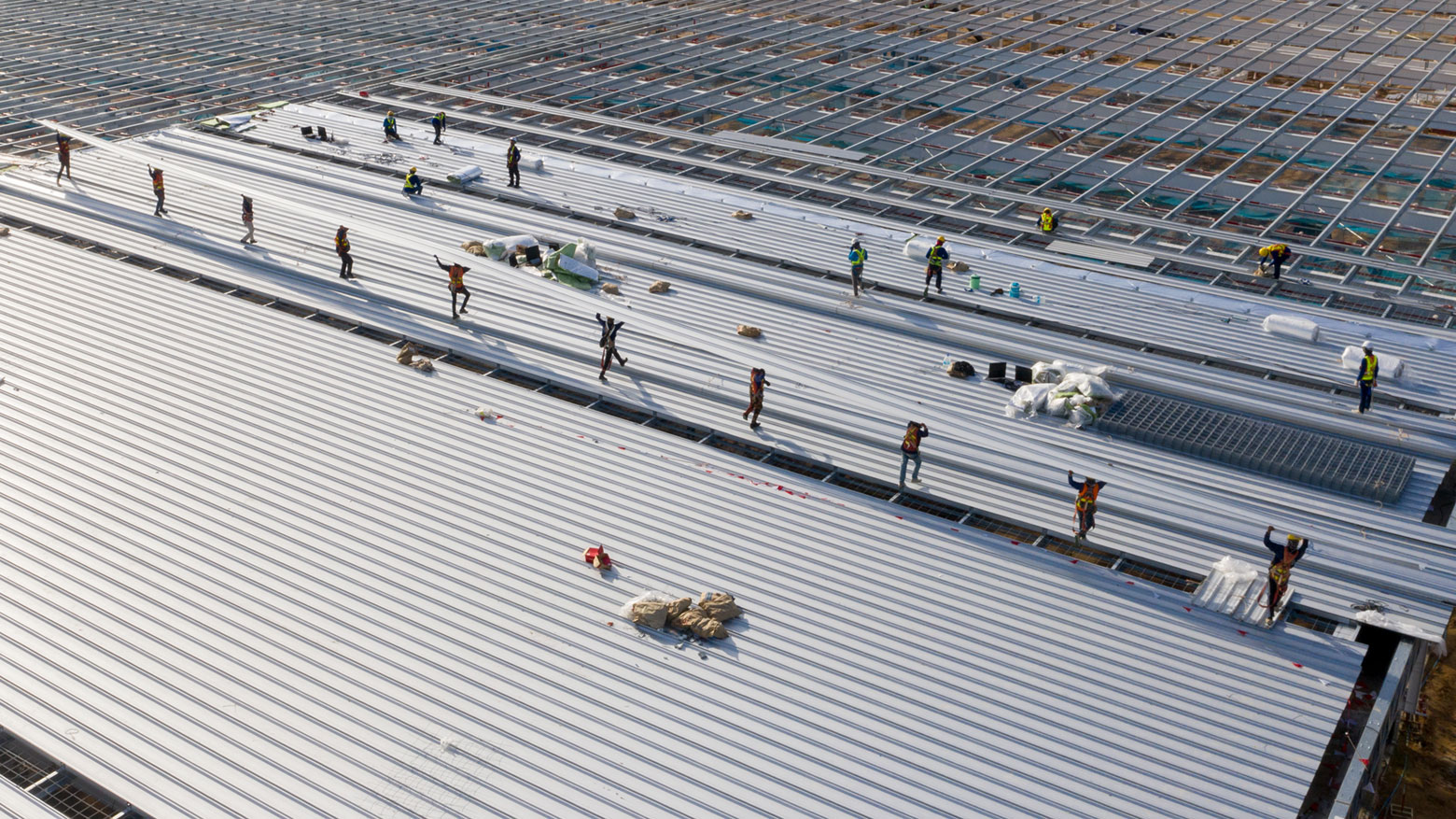
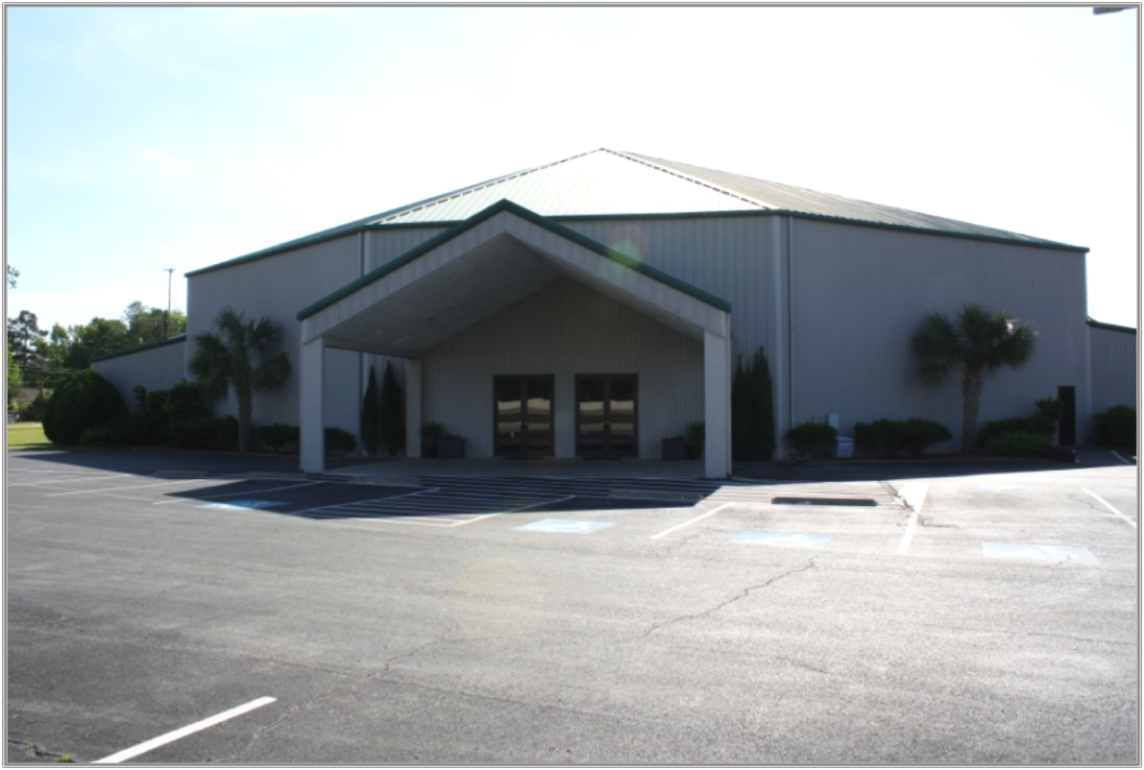
The buildings that pencil out for solar around here are the ones with broad, unshaded low-slope roofs: the warehouse and distribution stock running along the we-94 Industrial Expressway, the auto-supplier plants that feed assembly operations like the Stellantis complex on the east side, the cold-storage and food-distribution buildings clustered near Eastern Market, and the larger office and institutional roofs around New Center and the medical campus. Every one of those is a candidate. Every one of them also represents a roof we do not want a solar crew touching until the assembly below has been vetted.
How much life is left in the membrane decides the entire approach
Before we talk wattage, we talk years. A commercial PV system is engineered to produce for two-and-a-half decades or more. If your existing TPO, EPDM, or modified bitumen has roughly that much service life remaining, building on it is sound. If the membrane is two-thirds of the way through its life, you are about to bolt a twenty-five-year asset onto a roof that will need replacement in eight, and replacing a roof under a live array is not a normal tear-off.
Reroofing beneath an installed array means de-racking the panels, staging them somewhere on or off the building, completing the membrane replacement, then reinstalling and re-commissioning the system. That removal-and-reset cycle can add a six-figure line item to what would otherwise be routine work, and it interrupts the energy production you financed the array to get. So we give owners a candid remaining-life number up front. Frequently the right move is to replace the roof now and set the array on a fresh membrane in the same season, which resets both clocks together and is far cheaper than discovering the conflict years later.
Dead load, uplift, and what a Detroit roof deck can carry
Most flat-roof arrays in this market are ballasted, meaning the racking is weighted down with concrete blocks rather than fastened through the deck. That spares the membrane hundreds of holes but introduces a structural question, because every additional pound per square foot has to be reconciled with the building's framing. A good deal of Detroit's mid-century industrial inventory was designed to lighter snow-and-dead-load assumptions than a fully ballasted system imposes, and that is before you add the weight of accumulated Michigan snow sitting on top of the ballast. Wind uplift is the other half of the equation. Detroit roofs sit on an open lakeplain and catch strong gusts coming off the Detroit River, so the ballast has to be laid out in zones with extra mass concentrated at corners and along the perimeter where uplift forces peak. None of that math is reliable until a structural engineer has confirmed the building can take it, which is a step we insist on rather than assume away.
Penetrations and conduit are where the leaks actually start
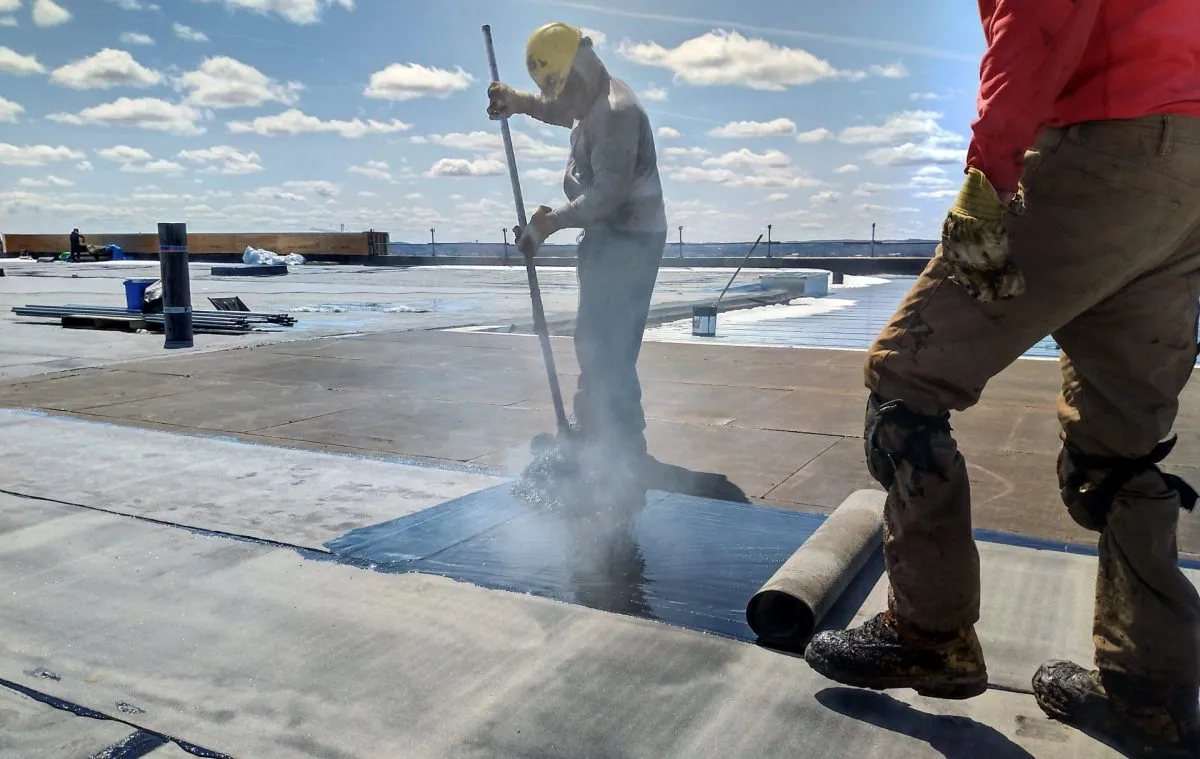
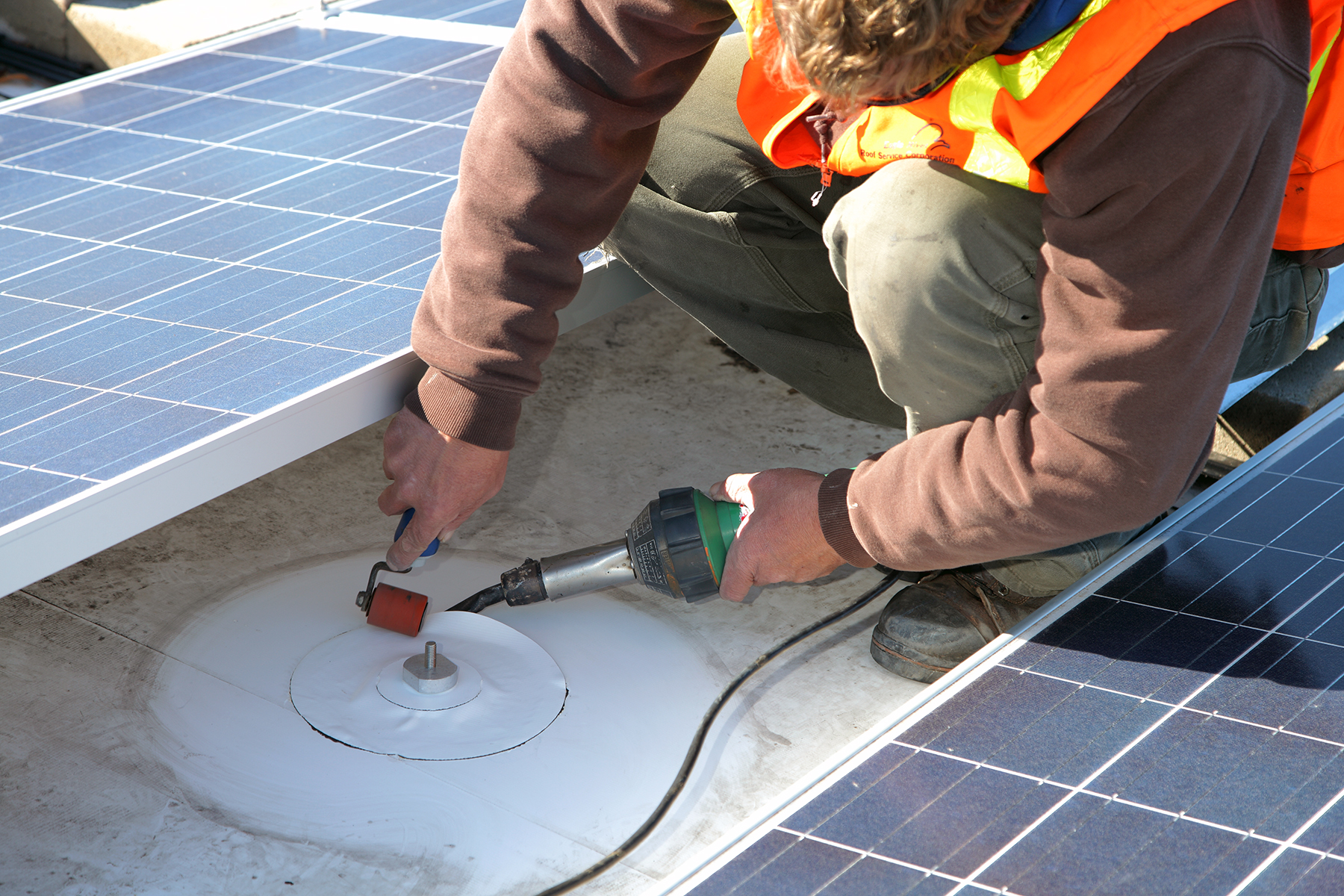
When ballast will not work because the structure cannot carry it, the racking has to be mechanically attached, and now every anchor point is a hole through your roof. Those penetrations need fully flashed details welded or adhered into the membrane system, not a bead of sealant troweled around a bracket, because sealant is a maintenance item and a flashed detail is a roof. Conduit is the quieter risk. The DC and AC runs carrying power from the array back to the building's electrical room cross the field of the roof and eventually drop through it, and if the solar electrician straps that conduit directly to the membrane or pushes it through an off-the-shelf boot, you get abrasion and a slow leak that nobody connects to the solar job until the insulation is already wet. We set the conduit pathways, supports, and through-roof penetrations ourselves, with proper standoffs and flashings the membrane manufacturer will stand behind.
Keeping the roof warranty alive across two trades
A manufacturer's roof warranty can survive having an array installed on top of it, but only on the manufacturer's terms. That generally means approved ballast pads and slip sheets to protect the membrane, walkway protection along service routes, penetration details executed to their published standards, and a warranty representative reviewing the assembly before the system goes live. The surest way to void an otherwise healthy warranty is to let a solar contractor work on the roof without ever notifying the membrane manufacturer. We coordinate that review as a built-in part of any solar-plus-roofing project, so you are not left with a roof warranty and a solar warranty that blame each other the first time water shows up. We are not in the business of selling you panels. We are here to make sure the surface those panels live on stays watertight for the full life of the array, and that the documentation actually protects you if it does not.
Why a reflective membrane usually belongs under the panels
For most solar integrations we specify a white reflective TPO or PVC membrane beneath the array. The bright surface keeps the rooftop cooler, and cooler modules operate more efficiently, so the roof assembly and the energy yield reinforce each other instead of working against each other. Where structural capacity rules out the weight of a ballasted system, a fully adhered membrane gives us a stable, low-mass substrate to build on. Which assembly is right depends on your framing, your warranty objectives, and the array layout, so we would rather evaluate your specific roof than hand you a one-size spec.
Sequencing a solar-ready reroof
On these projects the order of operations is the whole game. The new membrane is installed and inspected before any racking touches it. We flash the conduit penetrations before the solar crew pulls wire. The manufacturer's warranty representative signs off on the completed assembly before the array is energized. We run a pre-construction meeting with your solar provider to lock down conduit routing, penetration details, walkway pad locations, and the final inspection checkpoints that satisfy both warranties at once. The work itself is not exotic, but it is unforgiving, and respecting that sequence is what turns a thirty-year roofing asset into exactly that instead of a recurring leak ticket.
If you are evaluating solar on a Detroit commercial building, begin with an honest look at the roof. We will assess the membrane, give you a straight remaining-life estimate, surface the structural and uplift questions a solar bid tends to skip, and tell you plainly whether to proceed as-is or reroof first. Reach out and we will get that roofing assessment on the calendar before you commit to an array.
Roof-area photos, access notes, leak points, rooftop equipment conditions, and visible membrane details.
Drainage, seams, curbs, penetrations, edge metal, winter exposure, repair limits, and replacement triggers.
A practical split between emergency work, repair, maintenance, coating, recover, and replacement planning.