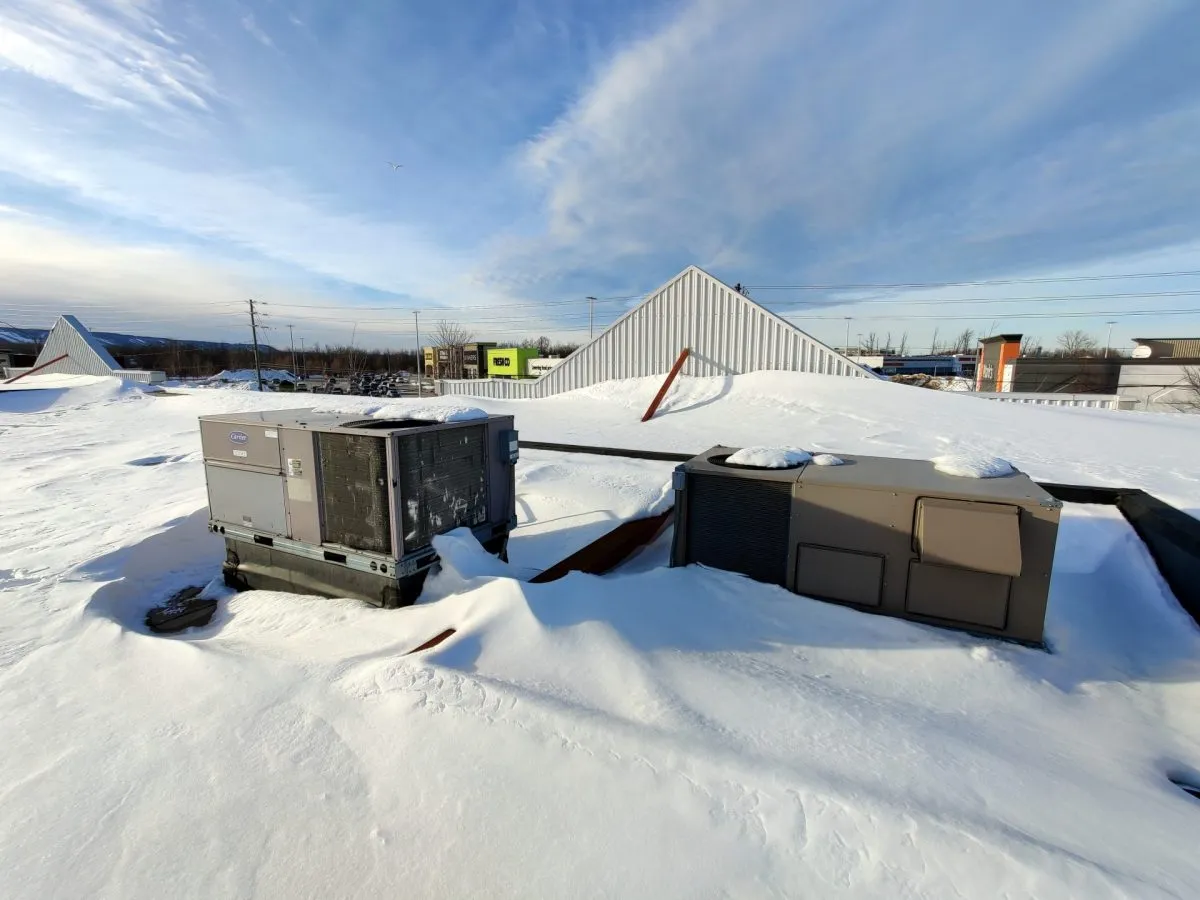
Snow and Ice Roof Damage Insurance Claims in Detroit, MI
Southeast Michigan winters do not damage a commercial roof in one dramatic event most years. They do it in cycles — a snow load sits on a flat roof, a warm afternoon starts melt, the water refreezes at a cold parapet or scupper overnight, and a small ice dam forms exactly where it can back water under a membrane lap. By the time a tenant reports a ceiling stain in February, the roof has usually been through several of those cycles. We're your roofing contractor, not a public adjuster — we document and substantiate the roof damage so you and your adjuster work from an accurate scope.
How ice dams and freeze-thaw actually damage a low-slope roof
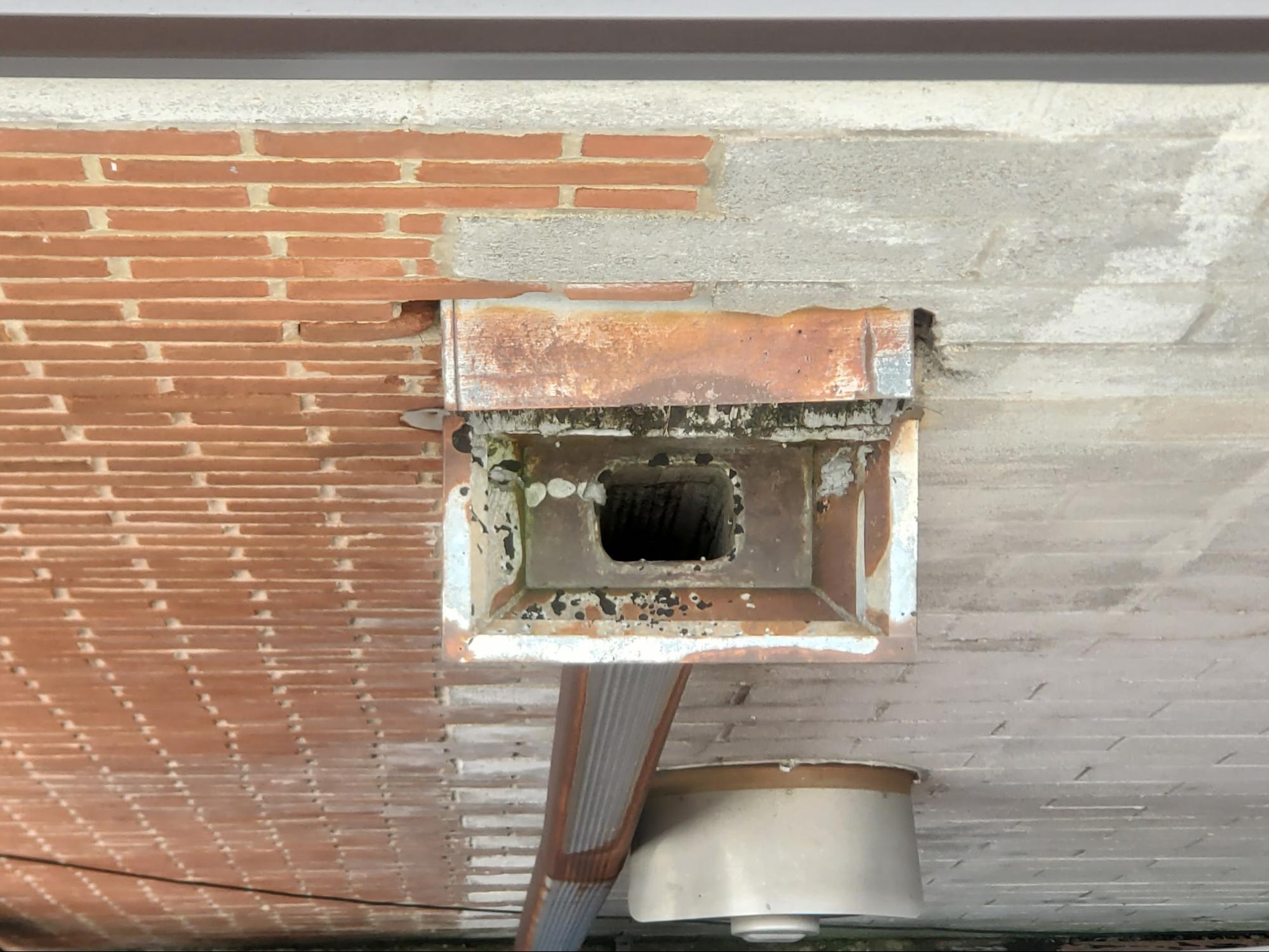
Detroit's flat and low-slope commercial roofs move drainage to internal drains, scuppers, and gutters, and every one of those points is a place where ice can build. A clogged or undersized drain freezes solid, meltwater has nowhere to go, and it ponds against a curb or parapet until it finds a seam, a fastener head, or a flashing lap that is not quite sealed. On older built-up and modified bitumen roofs common on Detroit's industrial and downtown adaptive-reuse buildings, decades of patch repairs give that water even more places to get in. The damage is often invisible from the ground and easy for an insurer to underestimate without a roof-level inspection.
What we document for a winter-weather claim
We inspect the roof for split or lifted membrane at parapets, fastener backout from repeated freeze-thaw movement, saturated insulation under the membrane, and ice buildup at drains and scuppers. We photograph the ice or its aftermath, measure the affected roof area, and take moisture readings where interior staining suggests hidden saturation. Where the roof deck or structure shows signs of a heavy snow load, we note that separately so it can be evaluated by a structural engineer if the claim requires it. Every observation gets dated and tied to a specific roof location so the file holds up if a second adjuster reviews it later.
Meeting the adjuster after a winter event
Winter roof inspections come with real access limits — ice underfoot, short daylight, and roofs that need to be walked carefully or not at all until conditions improve. We plan the adjuster walk around safe footing and, where the roof genuinely cannot be walked safely, document from accessible vantage points and follow up once conditions allow full access. What we do not do is guess at conditions we have not verified; a claim built on an incomplete winter inspection is easier to dispute later.
Framing the complete scope
A single frozen drain rarely explains the full damage pattern on its own. We check every drain, scupper, and gutter on the roof, not only the one nearest the reported leak, because freeze-thaw movement tends to repeat at every low point and every parapet transition. The scope we write covers insulation replacement where saturation is confirmed, membrane repair or replacement at every affected seam, and drain or scupper upgrades where undersized drainage contributed to the loss — not because more line items help the claim, but because leaving a known drainage weak point out of the report means the same damage returns next winter.
Frequently asked questions
Are ice dams and frozen drains covered by commercial property insurance? That depends on the policy and whether the loss is treated as sudden damage or gradual deterioration from deferred maintenance. We document the roof condition and the ice pattern; coverage interpretation is between you, your broker, and the carrier.
How do you tell storm damage from ordinary winter wear? We compare interior water entry against drain and scupper locations, look for fresh membrane splitting or flashing separation, and note whether the pattern lines up with a specific freeze-thaw event or a documented snow load.
Can you inspect a roof in freezing weather? Yes, with the right safety precautions. Ice on a low-slope roof changes access and footing, so we plan the walk around conditions and photograph what we can safely reach, then follow up once the roof clears if needed.
Does a snow-load claim need an engineer? On a structural concern, yes, and we coordinate with a structural engineer when deck deflection or a suspected overload is involved. Our documentation supports that review with roof-level photos and measurements.
Do you negotiate the payout with our insurer? No. We document the roof condition and give you a report to use with your broker or adjuster; we are a roofing contractor, not a public adjuster or claims negotiator.
Photographs of ice buildup, drain and scupper conditions, moisture readings, and measured damage area.
Every drain and low point checked, not only the reported leak, with insulation and membrane repair itemized.
A dated winter-event roof file your adjuster and broker can review directly.