Commercial Roof Insurance Claim Assistance in Detroit, MI
A property manager finds a stain on a ceiling tile after a storm, calls the broker, and gets a claim number before anyone has actually looked at the roof. That is usually where a commercial roof insurance claim goes sideways. We're your roofing contractor, not a public adjuster — we document and substantiate the roof damage so you and your adjuster work from an accurate scope, not a guess made from the parking lot.
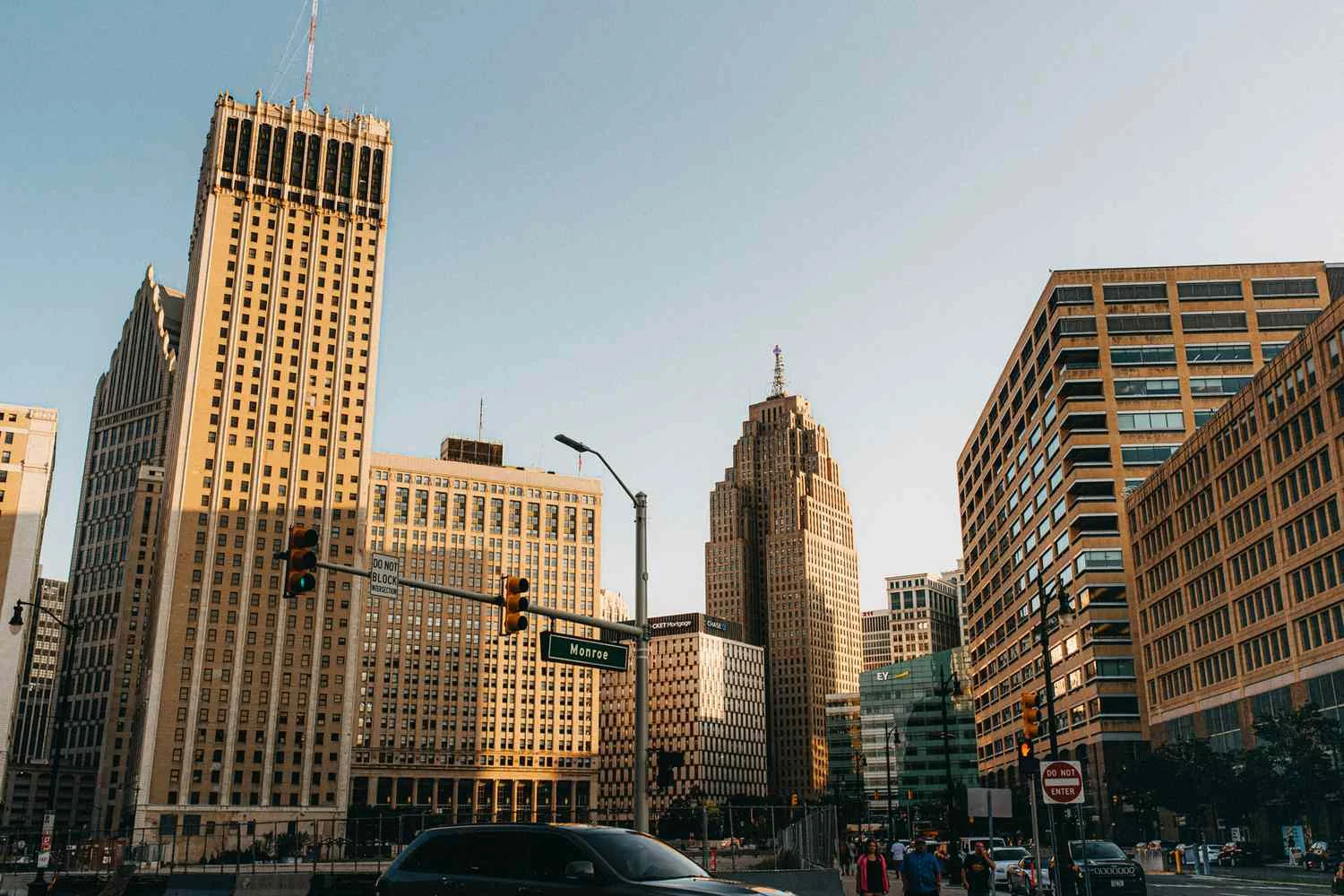
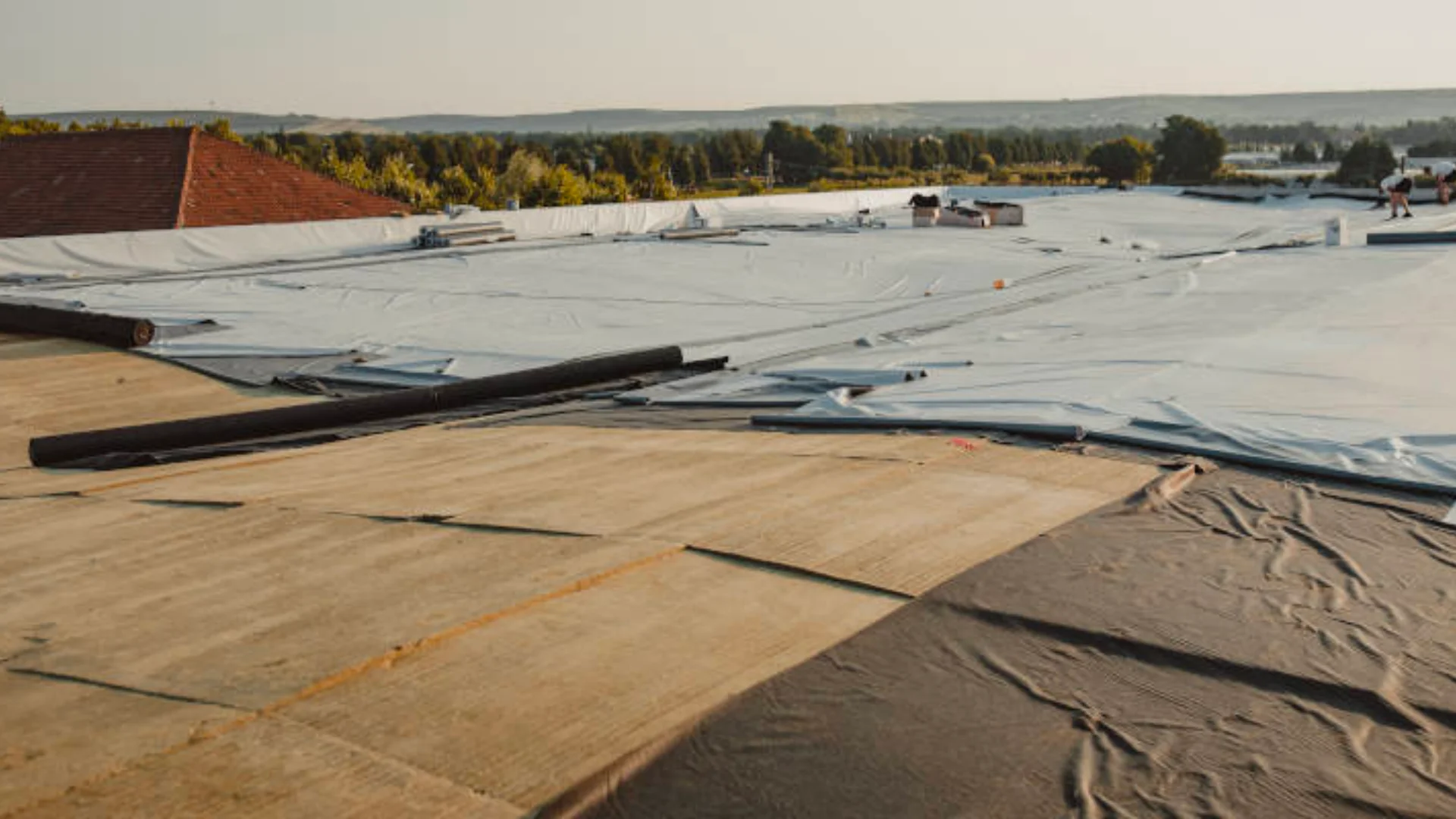
Detroit's commercial roof stock makes that documentation step harder than it looks. Downtown adaptive-reuse buildings around Capitol Park and the Book Tower corridor carry roofs that were patched under different owners with different materials. Plant and warehouse roofs along the I-94 and I-75 corridors are often built-up or modified bitumen systems with decades of overlapping repairs. A drive-by hail estimate or a single interior photo does not hold up against that kind of roof history, and an adjuster working from limited information has little reason to approve a full scope.
What a claim actually requires from the roof
An insurance carrier is not buying a story, it is buying evidence. For a commercial roof insurance claim, we produce dated photographs of every affected roof area, moisture readings where water intrusion is suspected, measurements of the damaged square footage, and notes on membrane type, layer count, and roof age. That record has to stand on its own if it gets forwarded to an engineer or a second adjuster, so we write it the way we would want to read it if we were the one approving the payment.
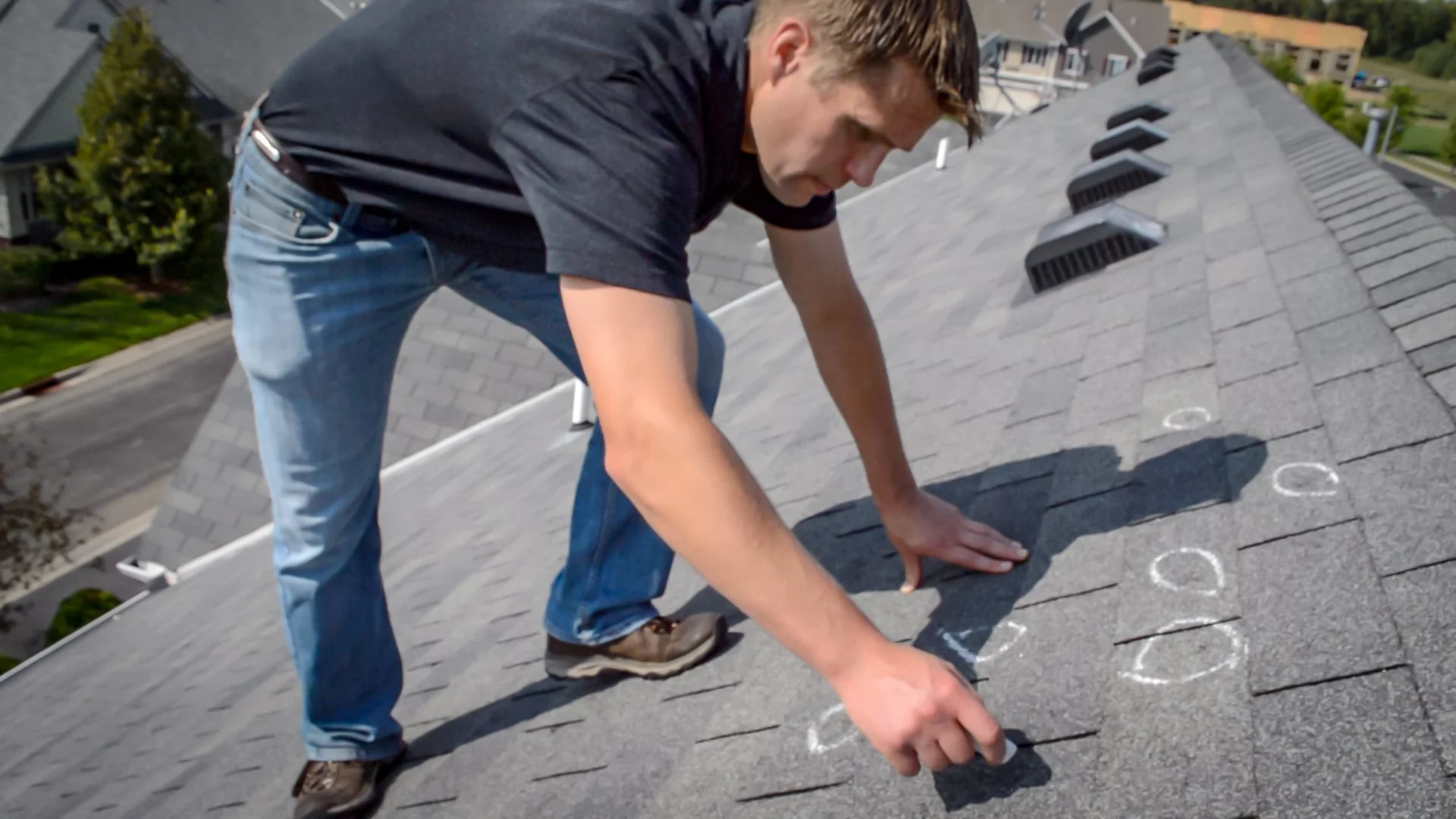
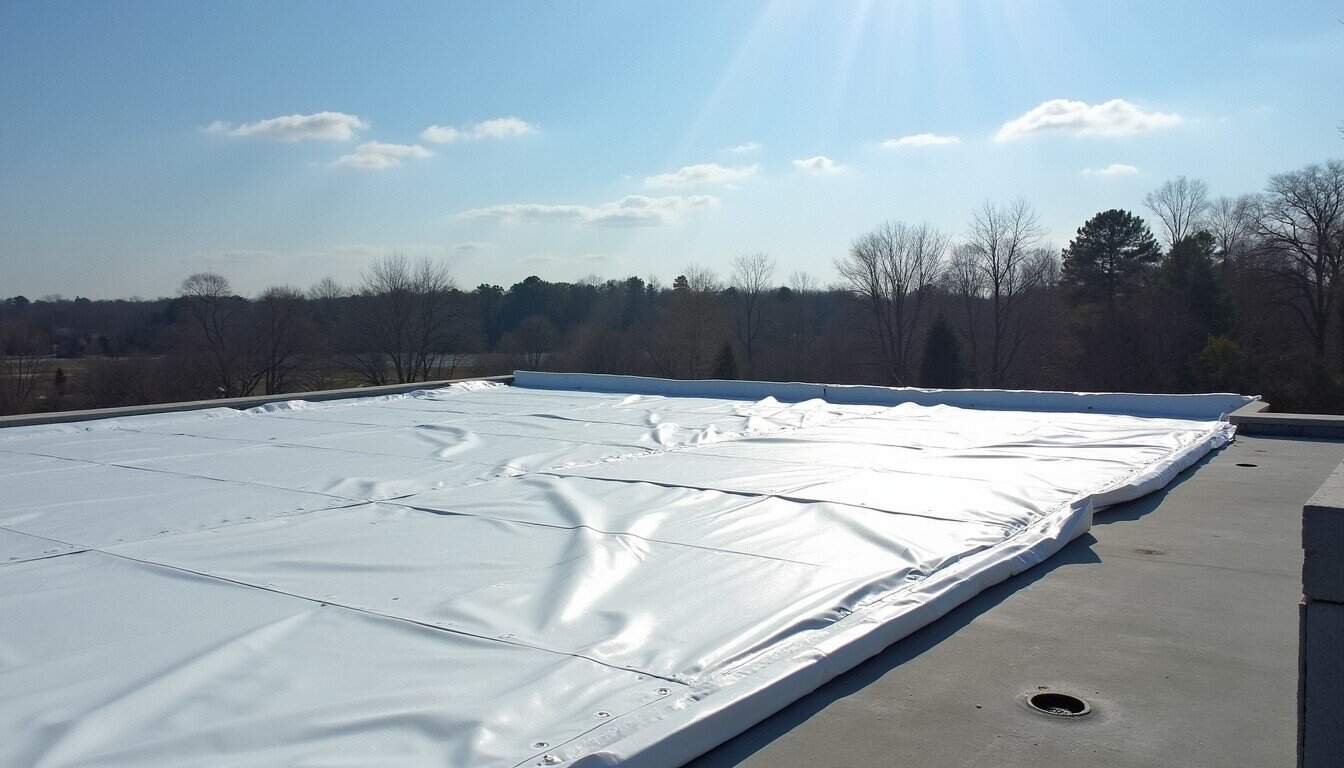
Photographs alone are not enough on a low-slope commercial roof. Hail bruising on EPDM or TPO can be nearly invisible in a photo taken from ground level, and granule loss on an aging BUR or mod-bit cap sheet needs a close, on-roof inspection to separate storm damage from ordinary wear. We test suspect areas, mark them, and photograph them at a scale that shows the defect clearly.
Meeting the adjuster on the roof
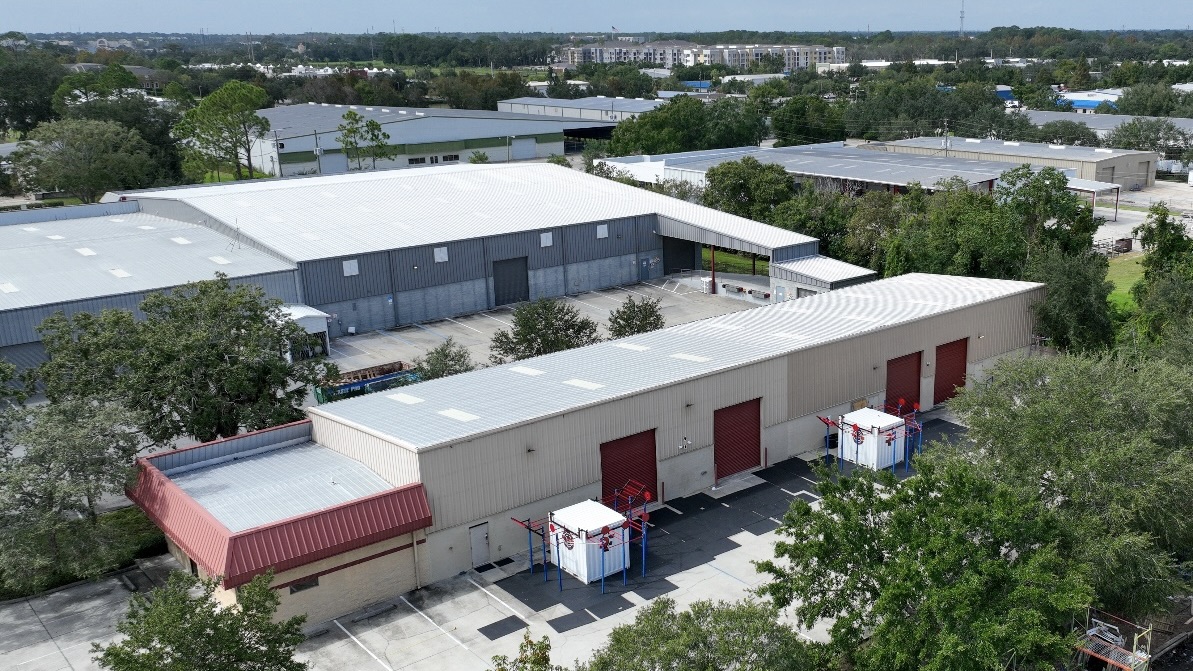
Most disputes on a commercial roof insurance claim come from two people looking at the same roof and seeing different things. We walk the roof with the adjuster whenever that is possible, point to the specific damage in our report, and let the physical evidence do the talking instead of a phone call after the fact. On occupied Detroit buildings — a manufacturing floor near Warren, a leased office block downtown, a multi-tenant retail strip along a commercial corridor — that walk also has to account for tenant access and safety, which we coordinate ahead of time.
Framing the complete, accurate scope
An initial adjuster estimate is a starting point, not a finish line. We look at the full roof system, not only the areas with visible interior staining, because storm damage on a low-slope roof is rarely confined to one section. Our report covers code and ordinance items that a repair-only estimate can miss — updated insulation R-values, drain capacity, edge securement standards — so the scope reflects what current code actually requires if the roof is being opened up anyway. That is not about inflating a number; it is about making sure nothing legitimate gets left out of the file.
When a claim comes back denied or underpaid
A denial or a low initial number is not always the end of the conversation. If the first inspection missed damage, misread the roof system, or under-scoped the repair, we can re-inspect, expand the documentation, and hand you an updated report to bring back to the carrier, your broker, or a public adjuster if you choose to involve one. We stay in our lane on that conversation: we are not negotiating the claim or representing you to the insurer, we are giving you and whoever does represent you a roof record that reflects reality.
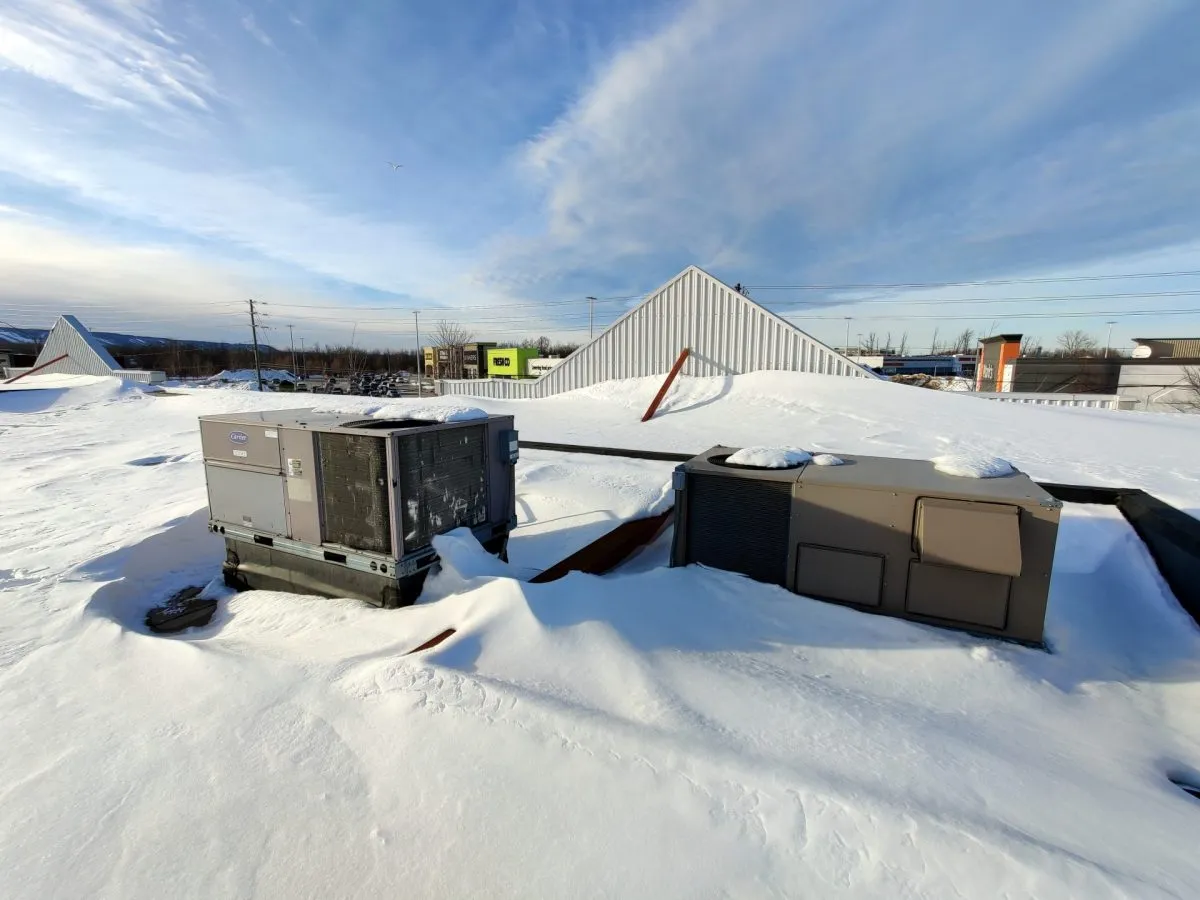
Detroit's weather works against a slow claim. Winter freeze-thaw cycles reopen small defects, and each missed season adds interior damage that was preventable. When a roof file is stalled, we recommend at minimum a temporary repair to stop active water while the claim is sorted out, documented separately so it does not get confused with the permanent scope.
Frequently asked questions
Does commercial property insurance cover a roof replacement? Coverage depends on the policy, the cause of loss, and the roof's documented age and condition. We do not interpret policy language or promise an outcome; we produce the inspection record an adjuster and your broker need to evaluate the claim.
What does the claim process look like from the roof side? We inspect first, photograph and measure the damage, then meet the adjuster on the roof to walk the same evidence together so the scope reflects what is actually there.
What happens if a claim comes back denied or underpaid? We can re-inspect, add documentation the first report missed, and give you and your public adjuster or attorney an updated roof condition report to work from.
Who decides repair versus full replacement? That is ultimately a decision between you, your broker, and the insurer. Our job is to document the roof so the repair-versus-replacement conversation is based on actual conditions, not guesswork.
Do you file the claim for us? No. We are a roofing contractor, not a public adjuster or attorney. We inspect, document, and produce the report; filing and negotiating the claim stays with you, your broker, or the professional you choose to represent the claim.
Dated photographs, moisture readings, measurements, and roof-system notes on every affected area.
Full-roof review, code and ordinance items, and a report written to survive a second look.
A documented file you, your broker, and your adjuster can actually work from.