
Wind and Storm Damage Roof Insurance Claims in Detroit, MI
Lower Michigan sits in a corridor that severe thunderstorm lines cross with real regularity, and a fast-moving derecho or line of storms puts sustained wind and gusts on a low-slope commercial roof in a way that a single afternoon shower never does. The roof edge, the parapet corners, and any curb or unit with exposed flashing take the worst of it. We're your roofing contractor, not a public adjuster — we document and substantiate the roof damage so you and your adjuster work from an accurate scope, not a windshield estimate.
Where wind damage actually shows up
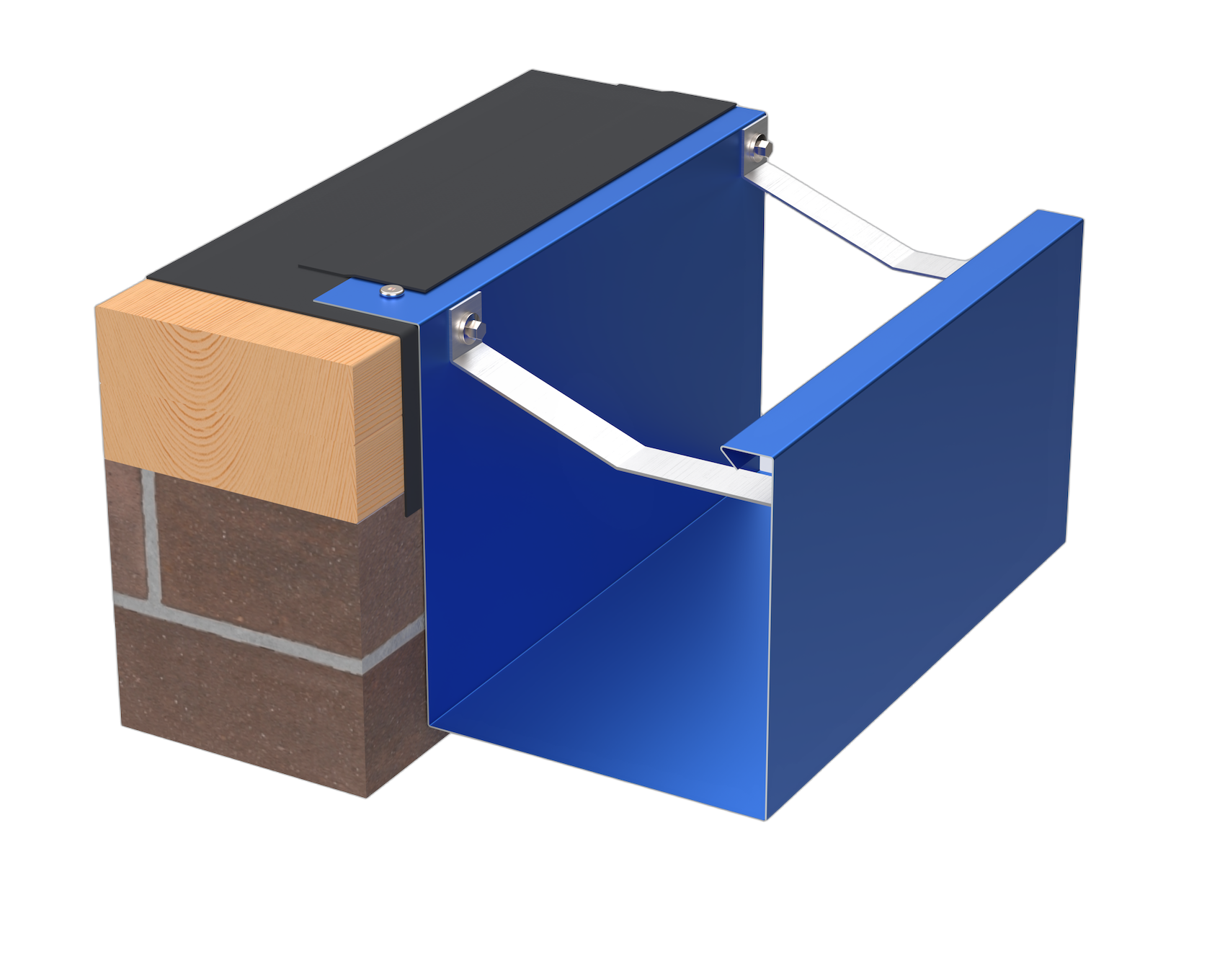
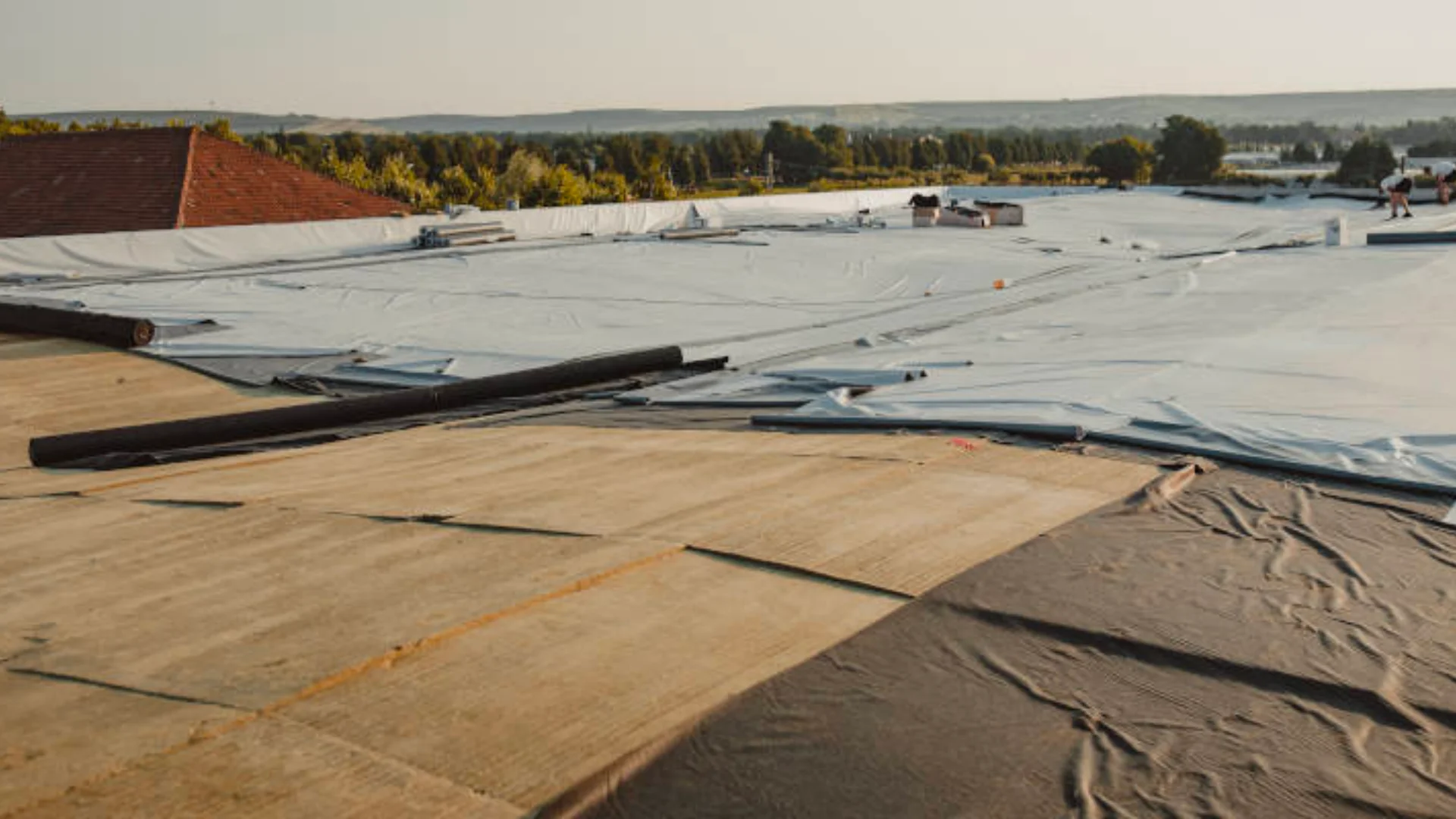
Wind uplift on a commercial membrane roof concentrates at the edges and corners because that is where wind pressure peaks. We check edge metal and coping for movement or separation, membrane laps near the perimeter for lifting or splitting, and rooftop equipment curbs for loosened or missing fasteners. On the older built-up and modified bitumen roofs common across Detroit's manufacturing and downtown adaptive-reuse stock, a wind event can also loosen gravel or cap-sheet granules and expose the underlying felt, which is easy for an insurer to write off as wear unless it is documented right after the storm.
Documenting damage before the evidence changes
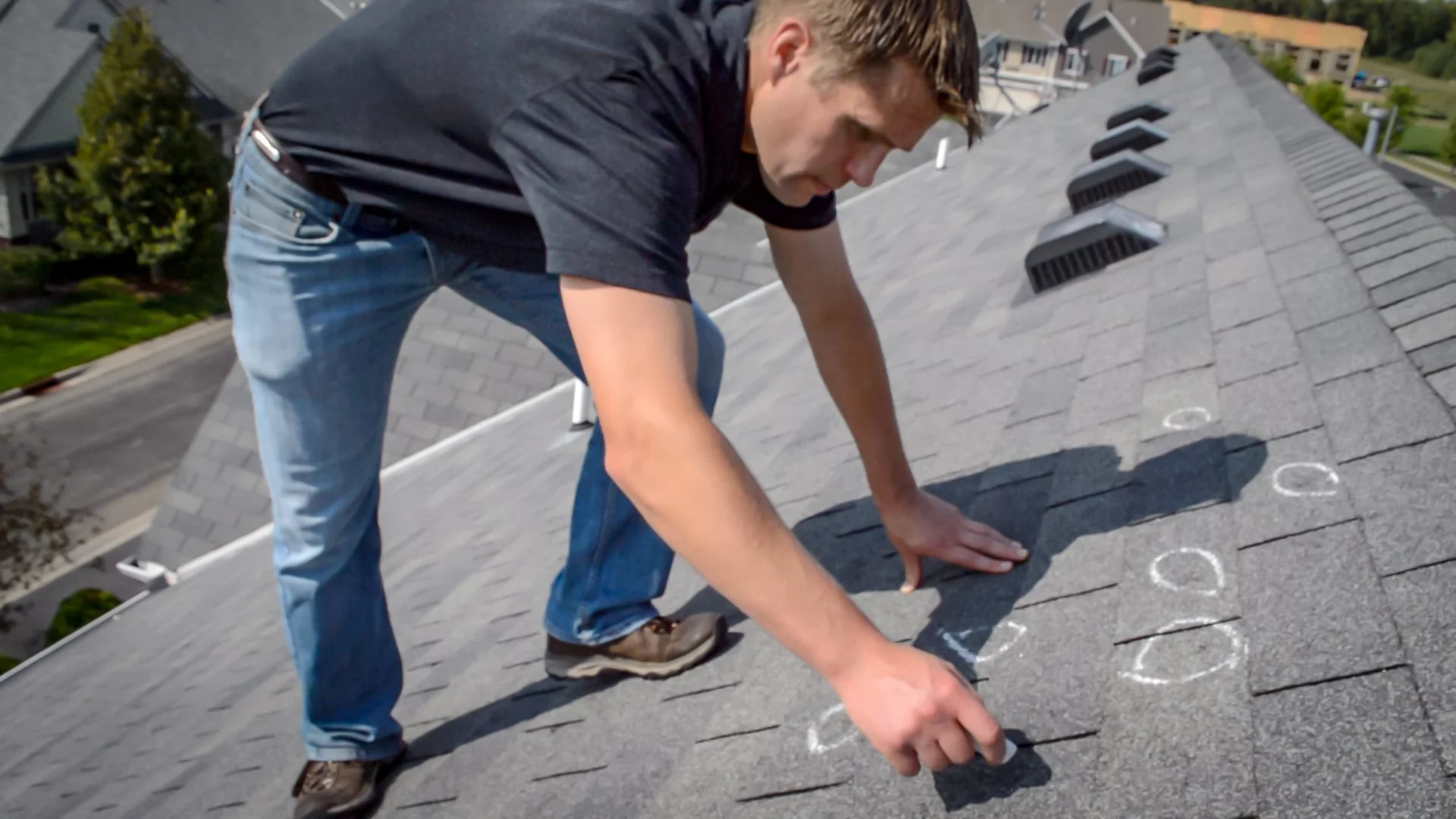
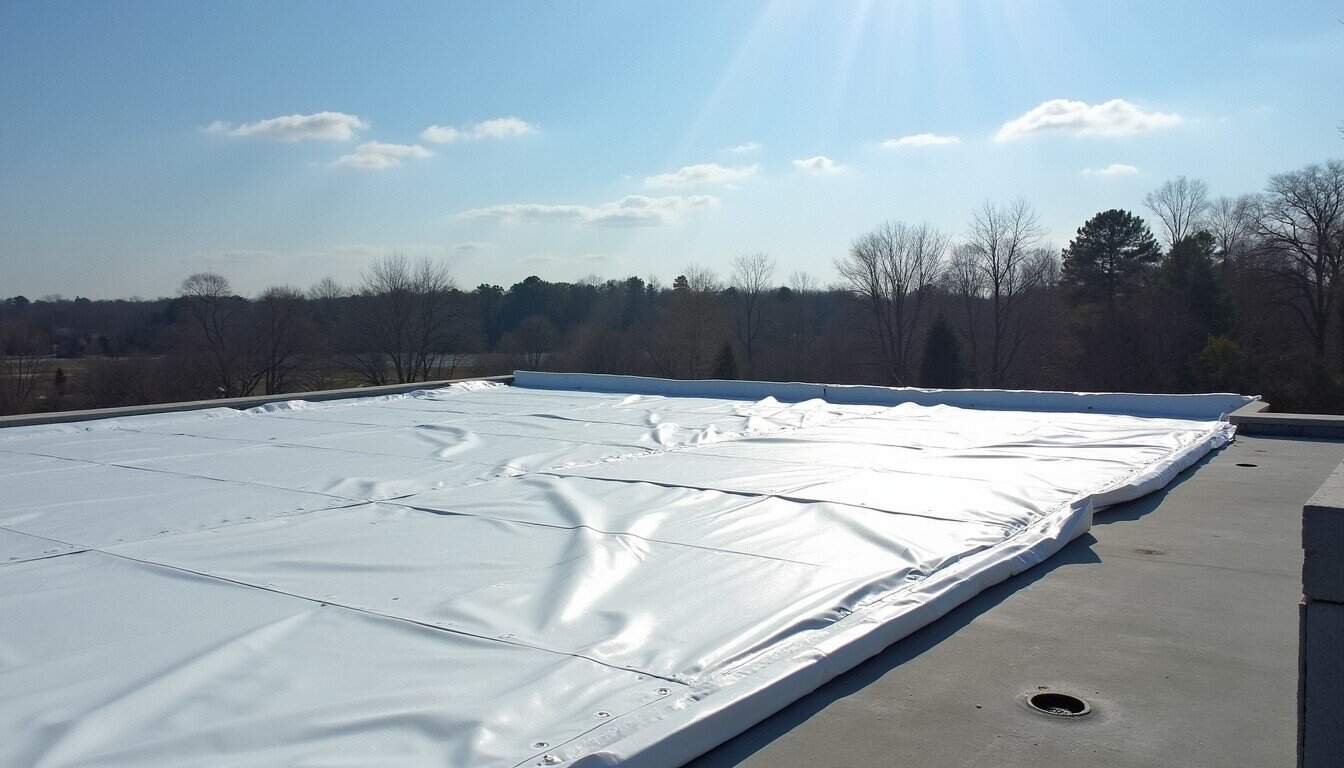
Wind damage does not wait for a claim number. A lifted membrane seam left unrepaired becomes a full tear in the next storm, and displaced coping left in place can blow off entirely. We inspect as soon as it is safe to be on the roof, photograph the damage from multiple angles, measure the affected area, and note the wind direction and storm date so the report ties the physical evidence to the specific event. Where active water entry is present, we recommend a temporary tarp or dry-in immediately, documented separately from the permanent repair scope so the carrier can see exactly what was emergency mitigation and what is the claim repair.
Meeting the adjuster on a wind claim
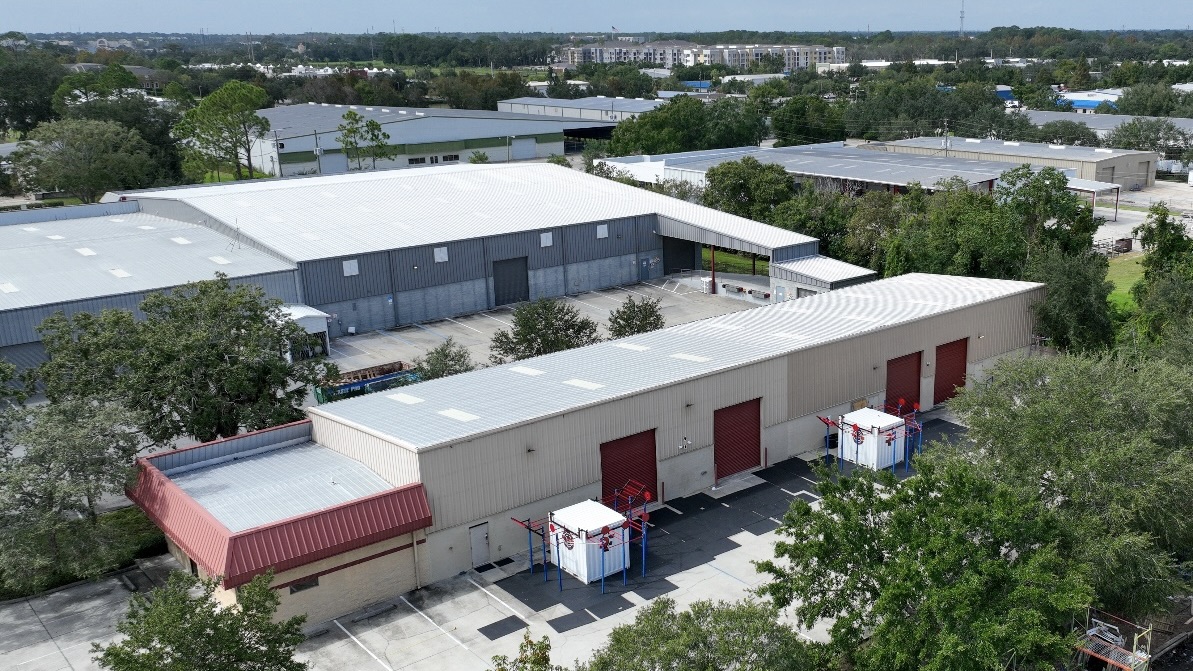
Wind damage disputes usually come down to whether an insurer's field adjuster recognizes storm-caused displacement versus ordinary aging. We walk the roof with the adjuster, point to the specific fastener patterns, torn membrane edges, or displaced flashing that indicate a wind event, and let them see the same roof we documented in the report. On occupied buildings — warehouse and plant roofs along the I-94 and I-75 corridors, multi-tenant retail strips, downtown office roofs — we coordinate that walk around access and safety without slowing the inspection down.
Framing the full storm scope
A wind event rarely damages just one corner of a roof and leaves the rest untouched. We inspect the entire perimeter and every curb and penetration, not only the area nearest the reported leak, because uplift forces travel along the same edge conditions across the whole roof. The scope we produce covers edge metal and coping repair, membrane repair or replacement at every affected lap, and equipment curb resecurement — a complete accounting of what the storm actually did, so nothing legitimate gets missed and no future storm reopens damage that should have been caught the first time.
Frequently asked questions
What counts as wind damage on a flat commercial roof? Lifted or torn membrane at the edge and corners, displaced coping or edge metal, blown-off equipment covers, and fastener backout across the field are the patterns we look for after a wind event.
Do you inspect right after a storm or wait for the insurer? We can inspect as soon as it is safe to be on the roof, independent of the carrier's schedule, so active leaks get temporary protection and the damage gets documented before weather changes the evidence.
Can wind damage be hidden until a later storm? Yes. A lifted seam or a loosened fastener from one storm can fail completely in the next one. We flag those conditions in the report even when they have not caused a leak yet.
What if the adjuster says the damage is just wear and tear? We document the specific physical evidence that points to a storm event: torn membrane edges, displaced fasteners, or damage patterns that follow the wind direction, rather than gradual deterioration.
Will you fight the insurer or negotiate our payout? No. We are a roofing contractor, not a public adjuster. We produce the inspection report and photographic evidence; representing the claim to the carrier is a decision you make with your broker or a licensed public adjuster.
Storm-dated photographs of edge, corner, and curb damage plus measured affected area.
Full perimeter and equipment-curb review, not only the reported leak location.
A report that separates emergency dry-in from permanent storm repair.